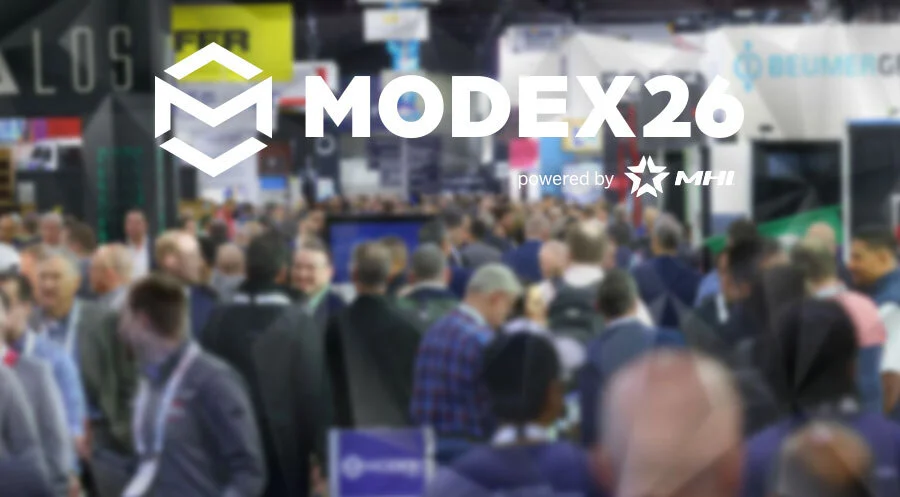
MODEX is usually where the industry shows off. This year, it did something more valuable. It showed what actually works.
If you walked the floor expecting the kind of demo-reel spectacle that defined the last few shows, you probably left feeling a little flat. There were fewer “wow” moments. Fewer crowds three-deep around a robot doing something impractical at high speed. Fewer keynote-quality unveilings of products that won’t ship for another two years.
What Atlanta made clear is that warehouse automation has moved beyond proving capability and into proving performance. The focus has shifted from what technology can do to what it’s already doing, in real facilities, under real operating conditions. That shift doesn’t always look exciting on the show floor, but it’s the most important progress this market has made in years.
The shift from demo to deployment
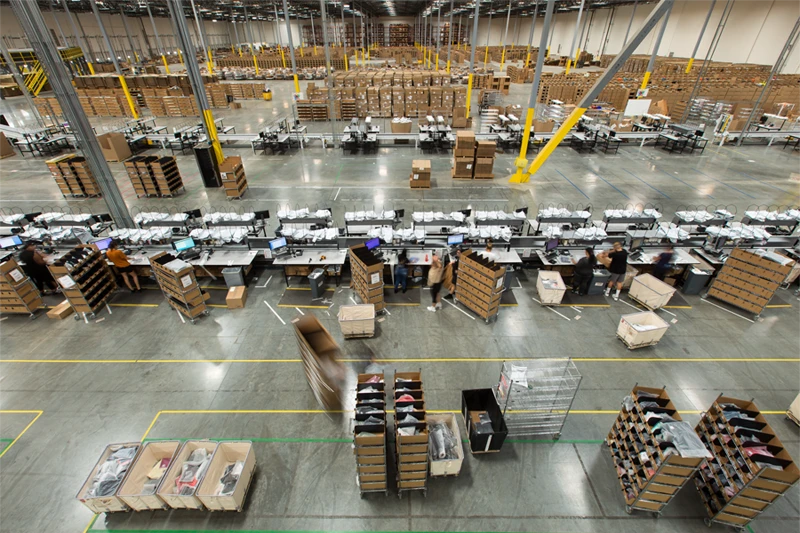
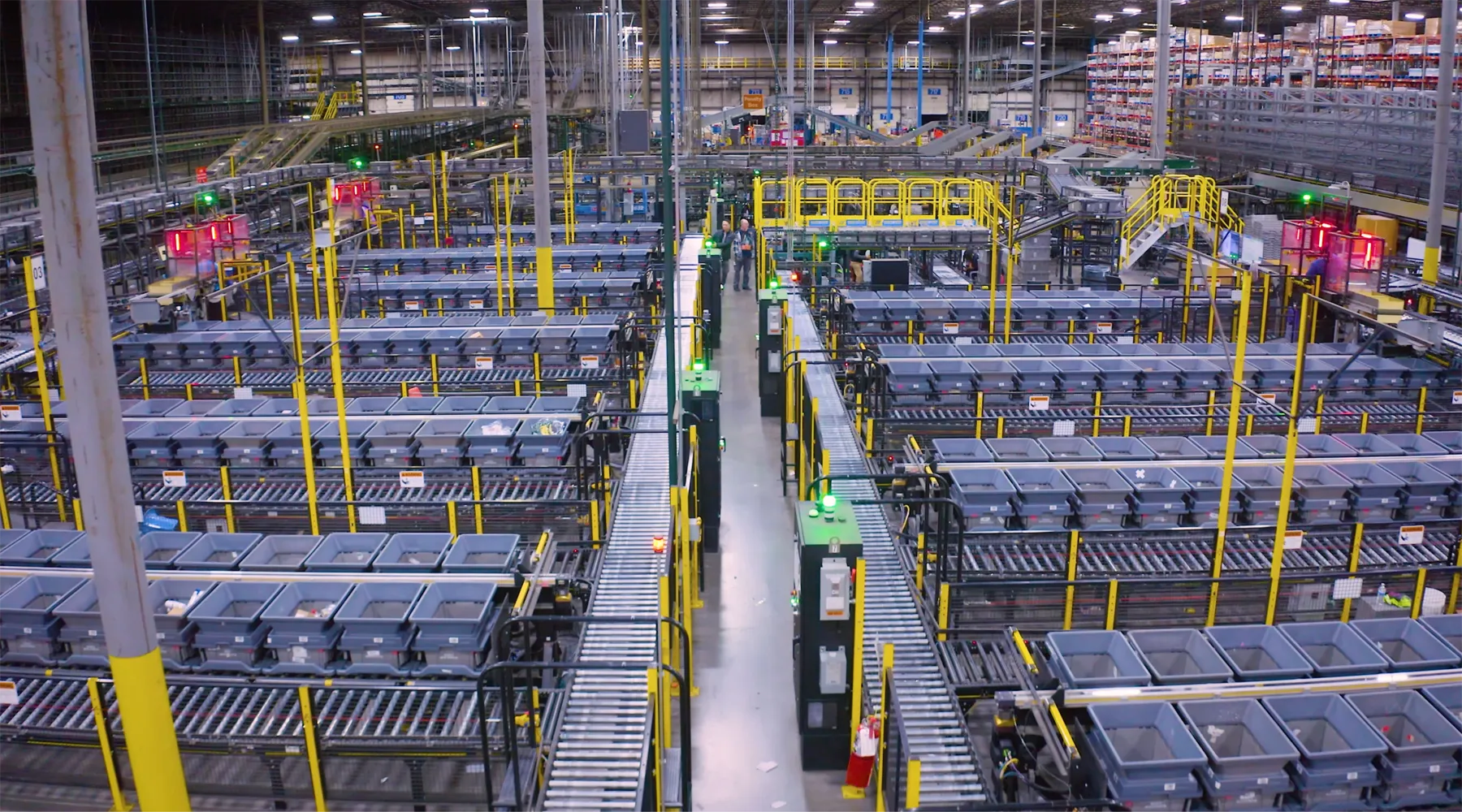
This year, vendors grounded their stories in live deployments. Throughput numbers were tied to production environments. SKU sets reflected real variability rather than carefully selected samples. Systems were presented as part of broader workflows, not isolated capabilities.
That shift raises the bar. Automation is no longer judged by how it performs in a demo. It’s judged by how it performs in the middle of a live operation, when conditions are unpredictable and consistency matters most.
Picking reached a turning point
Robotic picking has been a focal point at MODEX for years, but often as a demonstration of potential rather than a reflection of reality. This year, it showed up with a different level of credibility.
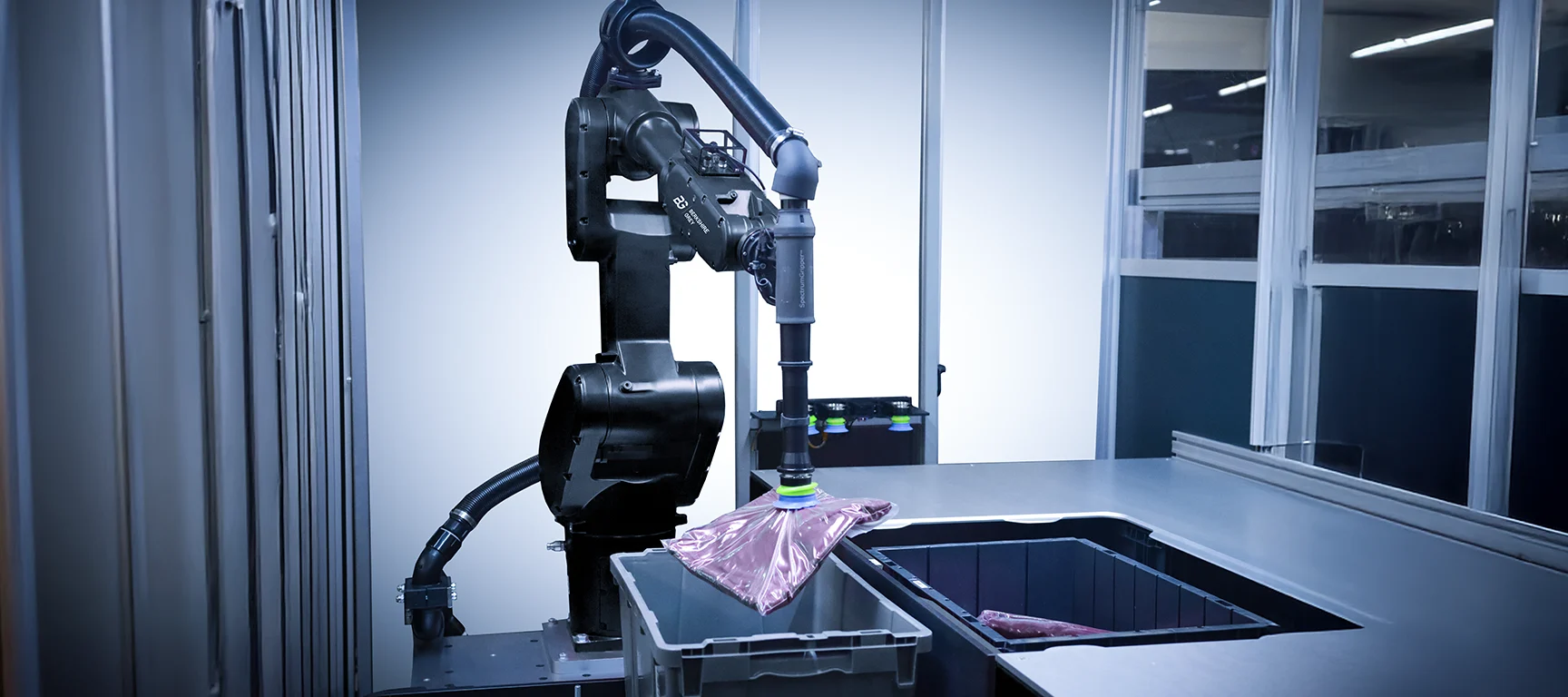
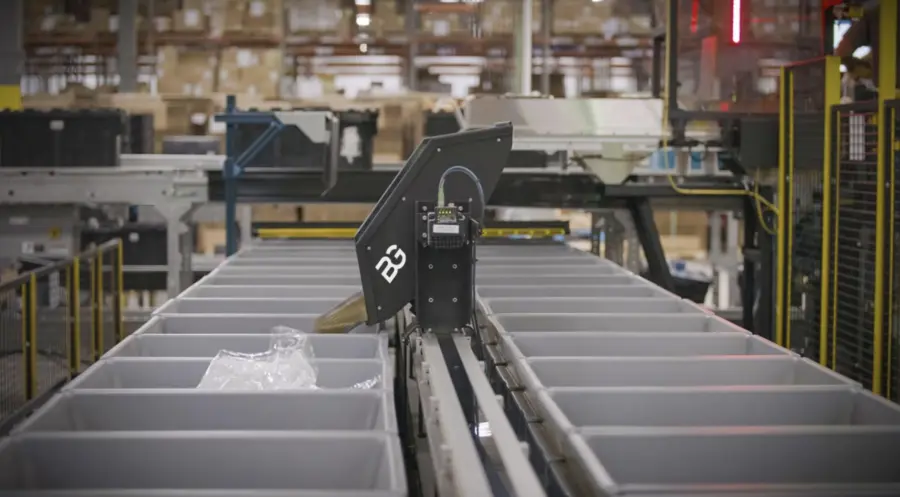
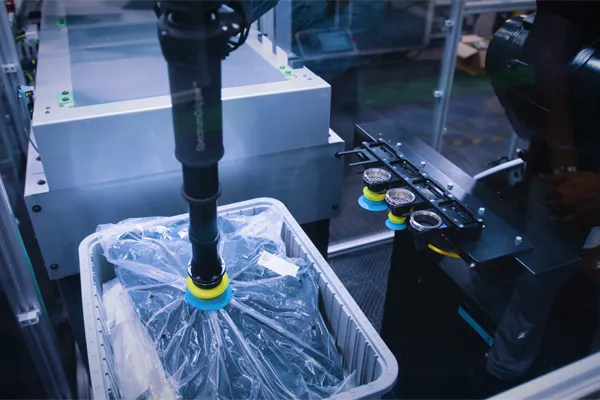
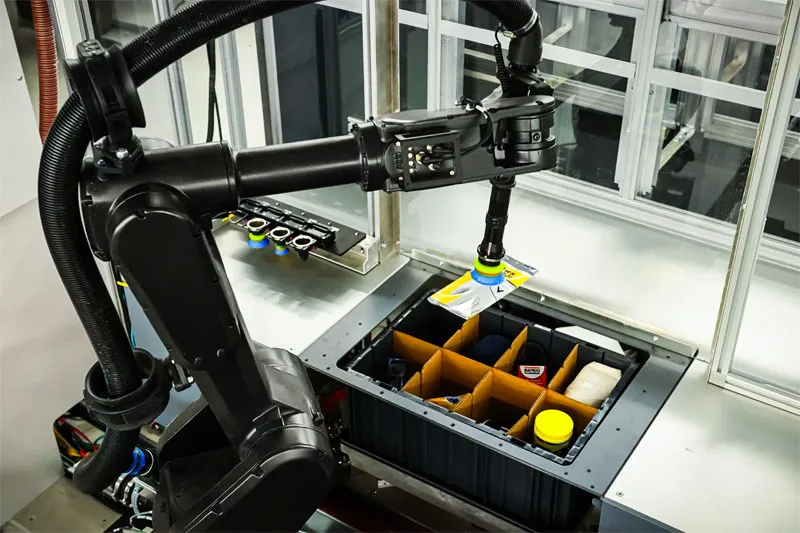
The strongest demonstrations focused on what’s already running. Vendors highlighted the SKUs they’re actively handling, and they invited attendees to try their own SKUs as part of the demo. They focused on features that show up in real workflows, shifting the emphasis from technical possibility to operational reliability.
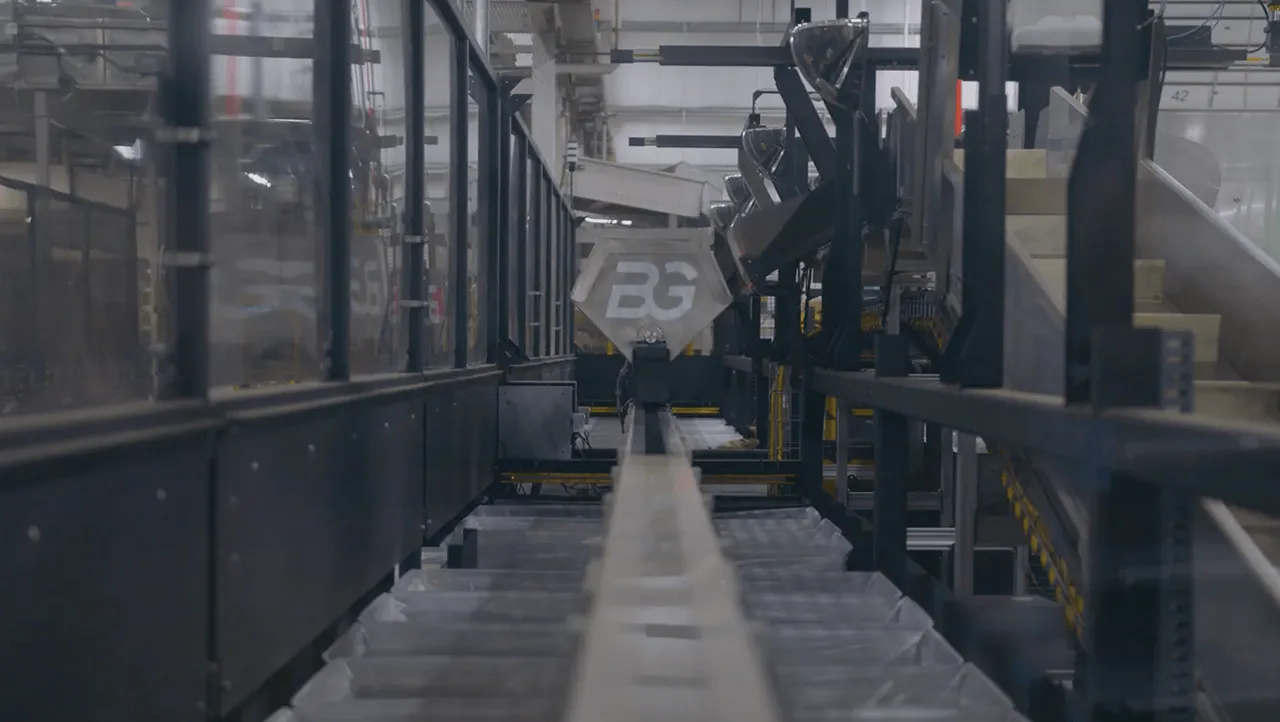
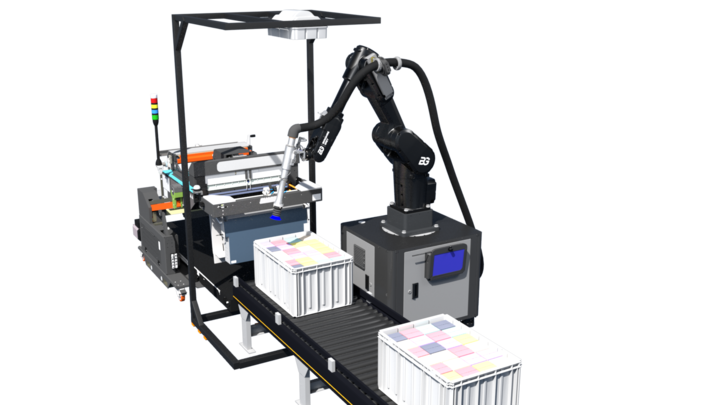
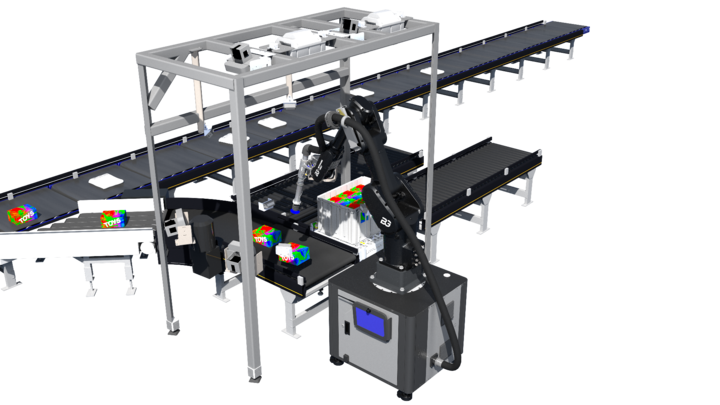
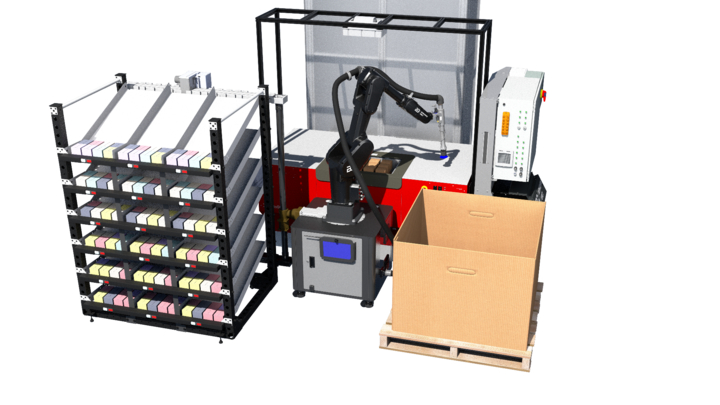
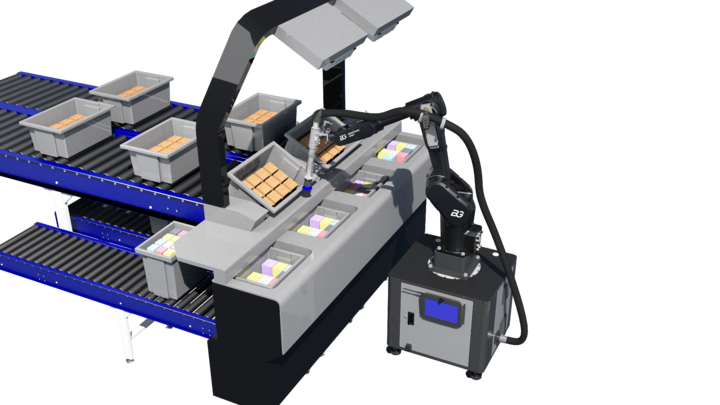
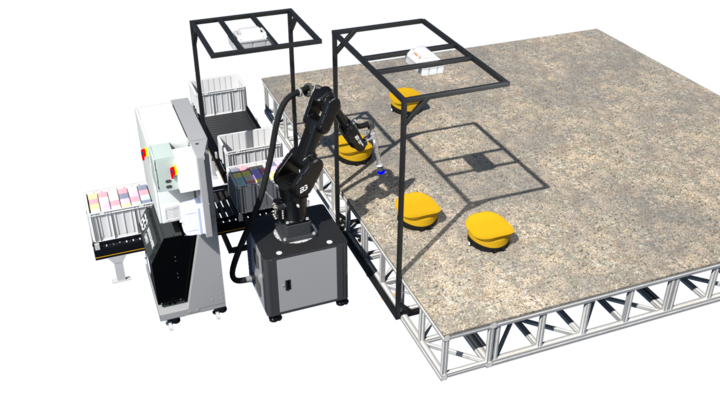
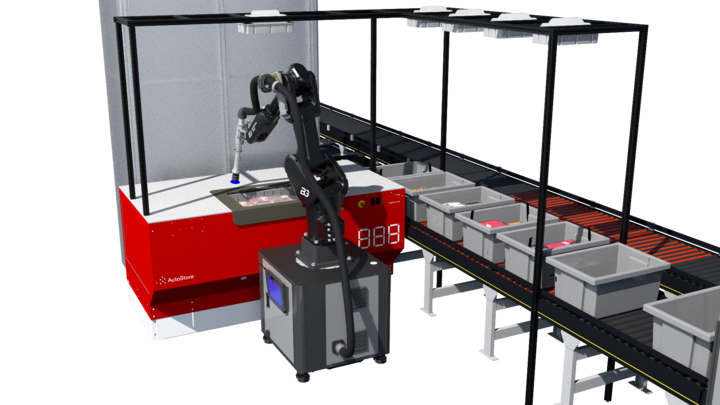
Just as important, picking is no longer being positioned as a standalone capability. At MODEX, picking was often showcased as being integrated into larger workflows, embedded into systems that are already delivering value across fulfillment operations.
That’s what maturity looks like. Picking is no longer a showcase feature, it’s become a capability you’re expected to have.
AI was everywhere, but the impact was quieter
AI was present across nearly every booth and conversation, but not in the form of a single defining breakthrough.
Instead, its impact showed up in smaller, more practical ways:
- Faster image processing for data capture
- Generalization to handle edge cases that used to require a human
- Smarter contextualization across labels and packaging variants
- Incremental improvements that reduce friction and increase reliability
Individually, these advances may not stand out. Together, they compound into meaningful operational gains.
There’s also a broader shift underway. AI is reducing the time and cost required to build software. Capabilities that once required significant investment can now be developed more quickly and by smaller teams.
As a result, software alone is no longer enough. The advantage is shifting toward data, real-world experience, and the ability to deliver consistent performance at scale.
It’s easier than ever to build a compelling demo. It’s still difficult to deliver reliable outcomes in production.
A more complex ecosystem
As systems become more capable and easier to deploy, the structure of the ecosystem is evolving.
More vendors are positioning themselves as orchestration layers, aiming to connect different technologies and coordinate workflows across environments. At the same time, WMS providers are expanding their capabilities, and some technology vendors are integrating more directly into customer systems.
The opportunity is clear, but so is the challenge. Orchestration only works if it can reliably manage the complexity beneath it, and that complexity is increasing as the number of vendors and technologies grows.
The industry is making progress, but the gap between vision and reality is still there. The most effective solutions will be the ones that can operate consistently across changing systems, not just connect to them in theory.
What it means for the industry
Taken together, these trends point to a larger shift.
Automation is becoming more accessible. Software is becoming faster to build. Systems are becoming easier to integrate. At the same time, expectations are rising.
Operators are no longer evaluating whether automation can work. They’re evaluating whether it will deliver results in their specific environment, within their constraints, on their timeline.
That changes where value is created.Technical capability still matters, but operational expertise, real-world validation, and the ability to execute consistently are becoming the defining factors.
The takeaway
MODEX 2026 didn’t rely on spectacle to make its point. It reflected an industry that’s becoming more grounded, more practical, and more focused on outcomes.
The conversation centered on practicality: “Can this technology work in my building, with my people, on my SKUs, by Q3?”
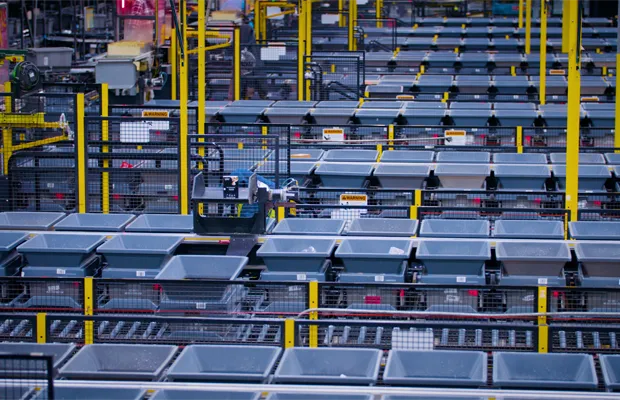
That shift from possibility to performance is not always dramatic, but it is significant. It favors solutions that are already operating at scale, proven in real environments rather than controlled demos.
That’s where the industry is heading, and where leaders like Berkshire Grey have been focused for years: delivering systems that perform in production, handle real-world complexity, and drive measurable outcomes. As expectations continue to rise, that distinction will only become more important.