When each customer program needs its own manual process, labor planning gets harder. Peak staffing gets riskier. Exceptions multiply. The operation stays flexible, but the margin absorbs the cost.
Manual picking still carries too much exception work
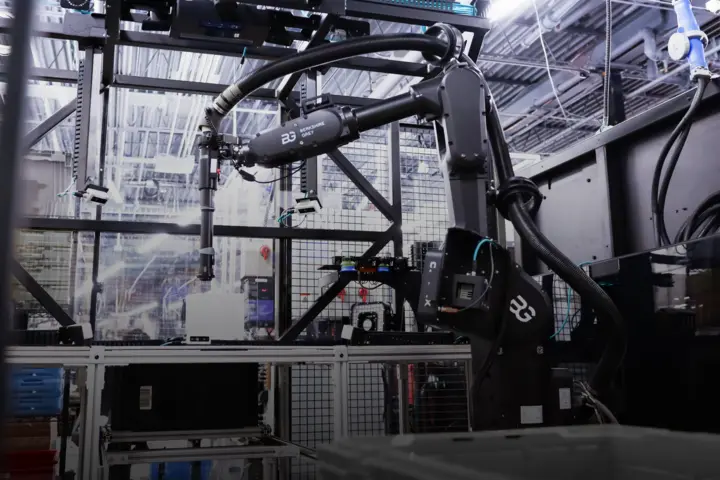
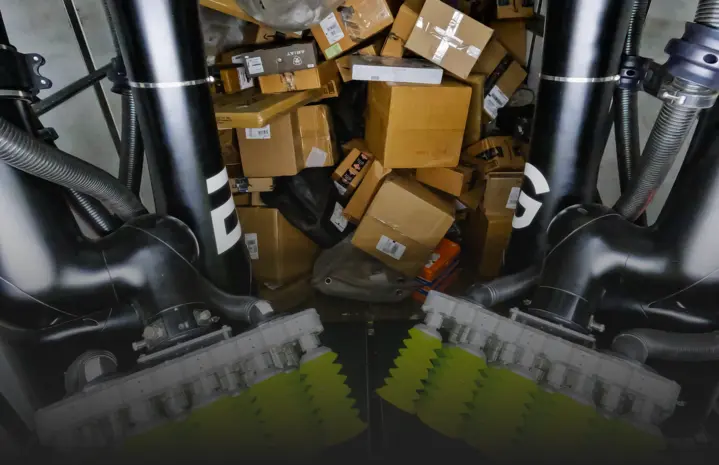
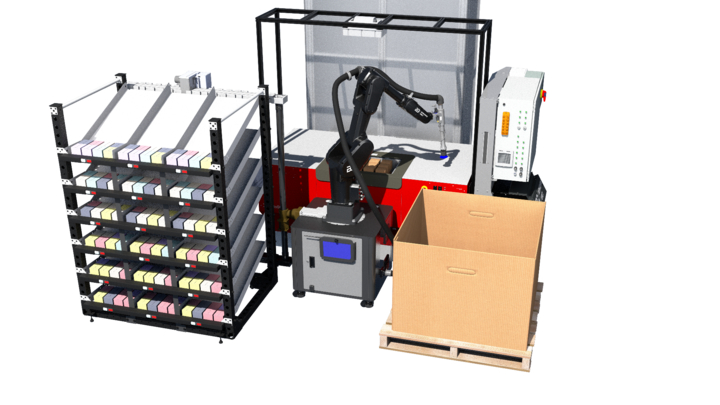
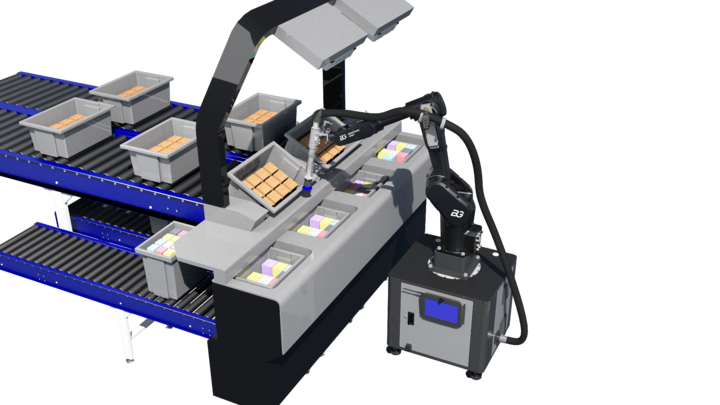
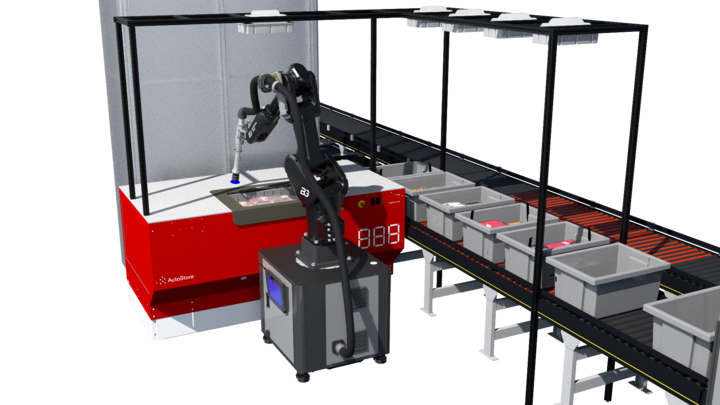
Reduce manual picking and exception work with item-level automation built for broad, changing assortments. Handle polybags, cartons, soft goods, and irregular products, even with changing packaging and incomplete item data.
Dock operations can constrain flow across the rest of the building.
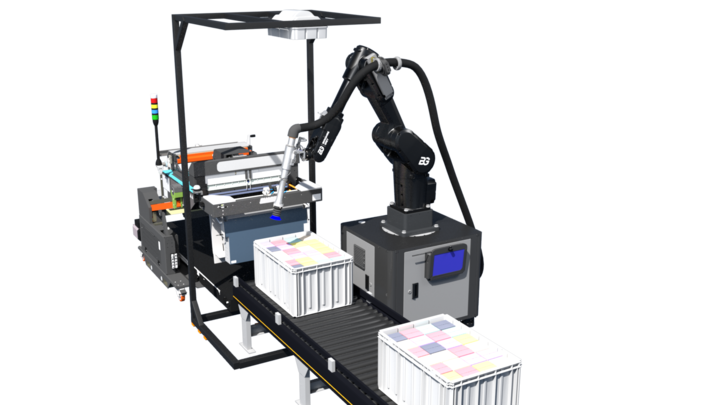
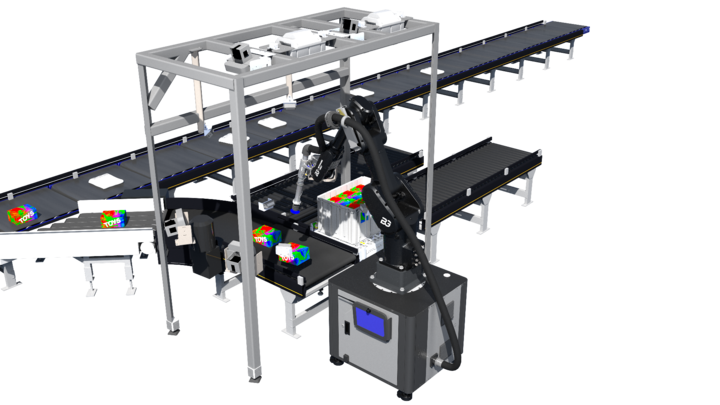
Create a steadier flow from dock to operation with unloading automation built for real trailer conditions, including floor-loaded trailers, mixed cartons, loose parcels, unstable walls, and inconsistent inbound load types.
Keep sortation capacity aligned with the full potential of the building.
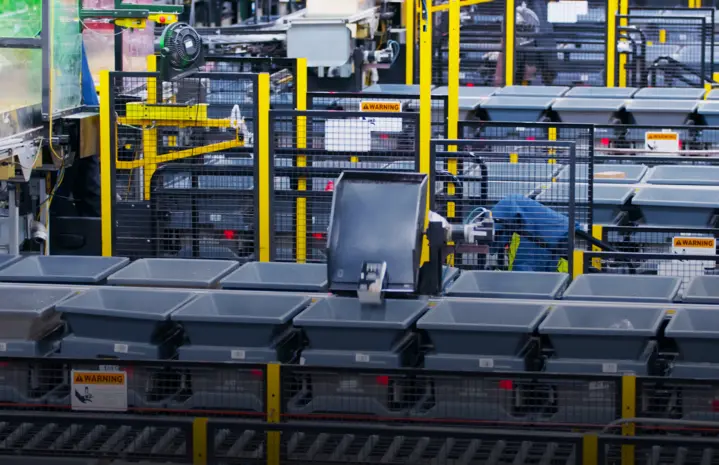
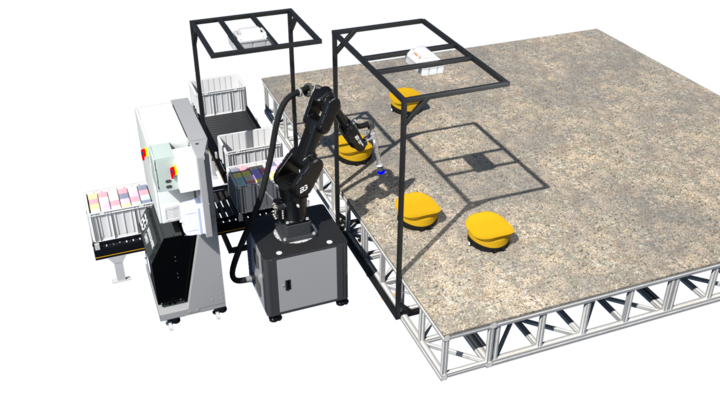
Sort more in the same footprint with high-density automation that adapts to changing destinations and reduces manual movement without adding more conveyor, chute space, manual takeaway, or process steps.
For 3PL leaders, automation is not the question. Flexibility is.
BG helps 3PLs automate where it creates value, with systems built for existing facilities, varied customer programs, changing inventory, labor pressure, and service commitments that cannot slip.
Take on new customer programs without rebuilding the operation around each one.
Support different SKU profiles, packaging types, order rules, and service levels without turning every onboarding into a custom manual workflow.
Protect margin when volume shifts by client, channel, or season.
Add automation where labor spikes most often, so growth does not automatically mean more temporary labor, overtime, training, and supervision.
Reduce the hidden touches between fulfillment steps.
Cut the manual movement, staging, scanning, rehandling, and exception work that happen between receiving, picking, sortation, packing, and outbound parcel flow.
Use existing facilities more effectively.
Increase throughput in constrained buildings by targeting the workflows that consume the most labor, space, and travel instead of defaulting to expansion or large fixed infrastructure.
Keep mixed customer volume moving through shared assets.
Support ecommerce, retail, wholesale, B2B and parcel workflows without forcing each customer program into a separate process path.
Turn recurring bottlenecks into repeatable automation plays.
Identify the constraints that show up across multiple accounts and facilities, then apply automation in a way that can scale beyond the first use case.