Ecommerce

Keep every fulfillment promise without adding labor, space, or complexity

Speed, selection, and easy returns are now table stakes. But the fulfillment operation behind them is absorbing more SKUs, shorter cutoffs, more frequent peaks, and rising return volume - often with the same labor pool and the same building. The result is a margin problem: more touches and exceptions for every order, with less room for delay.

When order profiles change faster than the sortation process

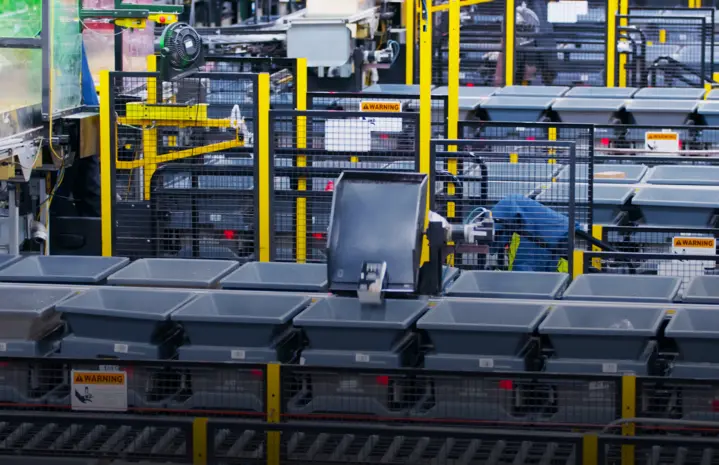
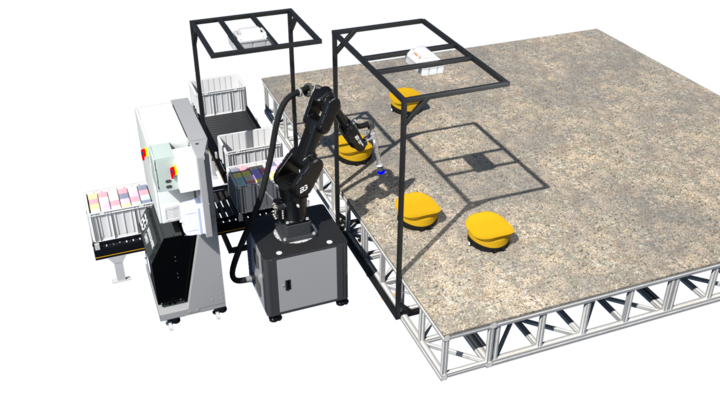
Peaks, rising destination counts, and mixed order profiles strain fixed sorters and manual put processes. StrideTM uses parallel robotic shuttles to sort directly to outbound containers, helping high-volume operations add capacity within existing space.

Stride Shuttle Sorter Hero Image

SKU variety turns picking into exception management

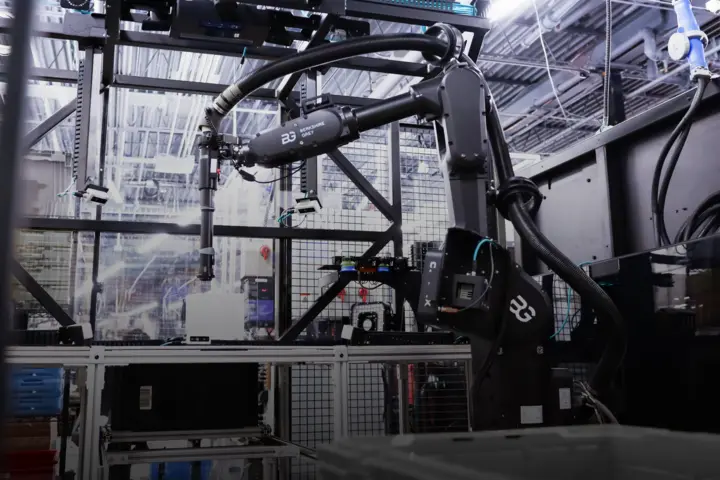
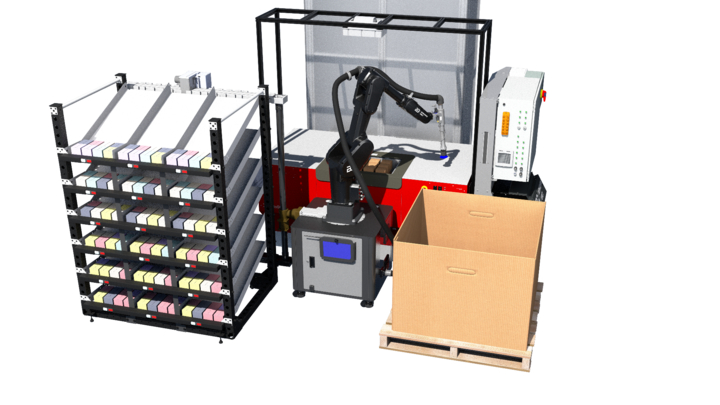
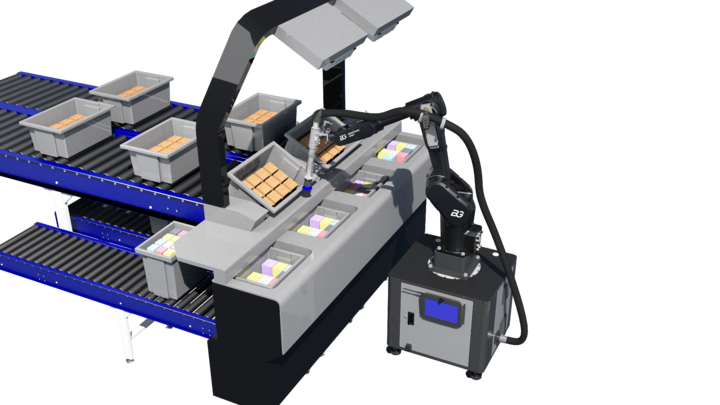
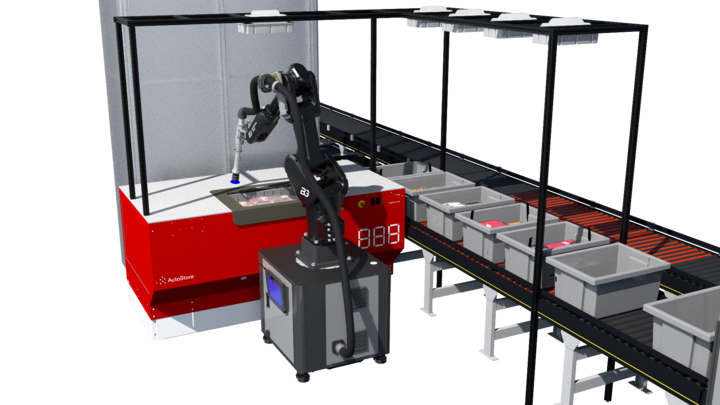
Polybags, apparel, cartons, fragile goods, and unfamiliar items create manual touches and exception lanes. CoreTM automates complex piece-picking without prior SKU data and connects to existing storage, conveyor, sortation, and packing workflows.

Core™ robotic picking apparel

Manual trailer unloading slows everything that follows

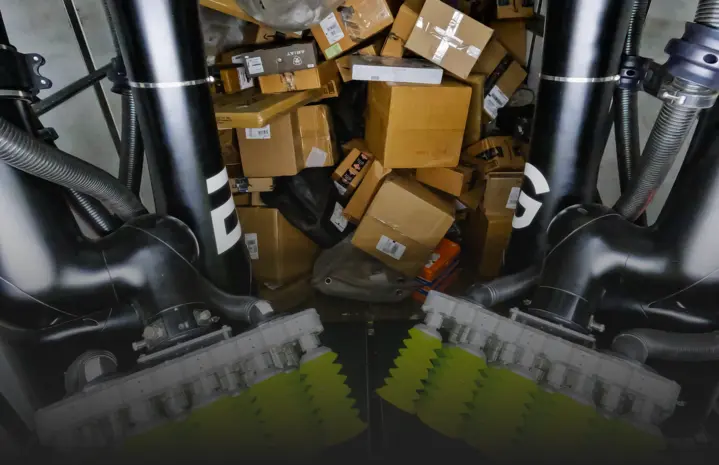
Floor-loaded trailers, mixed freight, shifting walls, and irregular parcels make unloading difficult to staff and hard to predict. ScoopTM combines bulk unloading with robotic picking to keep inbound product moving while reducing dependence on one of the warehouse's toughest manual jobs.

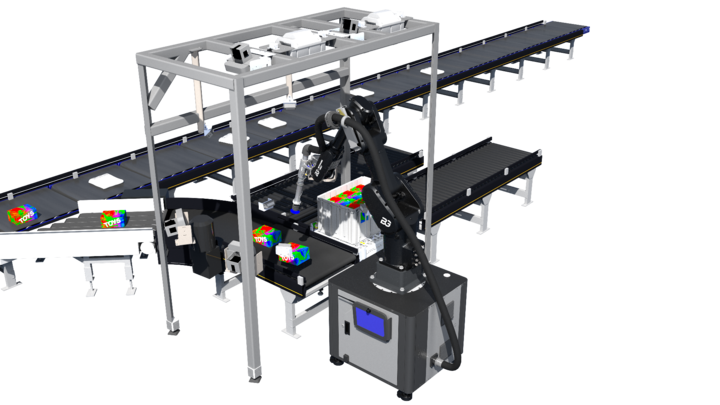
Scoop™ Trailer Unloader unloading a trailer of varied boxes


The pressures that keep ecommerce leaders up at night

At scale, these are not isolated warehouse problems. They shape margin, capacity, and the ability to keep the customer promise.

Faster delivery leaves less recovery time

Shorter cutoffs mean an inbound delay, picking backlog, or sortation bottleneck can put the entire order promise at risk.

Cost per order rises with every touch

Walking, scanning, rehandling, exception routing, and repacking add labor without adding customer value.

Labor does not scale on demand

Promotions and peaks require capacity quickly, but recruiting, training, and retaining enough people is slow, expensive, and unpredictable.

SKU complexity creates exception work

More products, packaging types, and assortment changes push rigid automation and manual processes outside their designed operating range.

Capacity is trapped inside existing buildings

Ecommerce needs more space for inventory, picking, packing, shipping, and returns – even when expansion or relocation is not practical.

Returns and peaks compete with outbound flow

Returned inventory and promotional surges re-enter workflows already under pressure, creating competing priorities for labor and floor space.