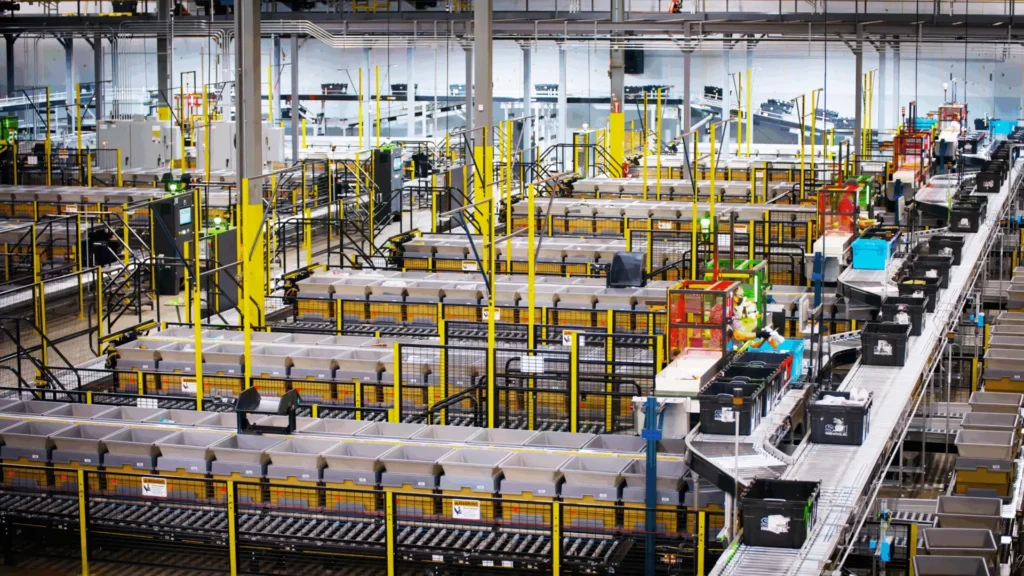
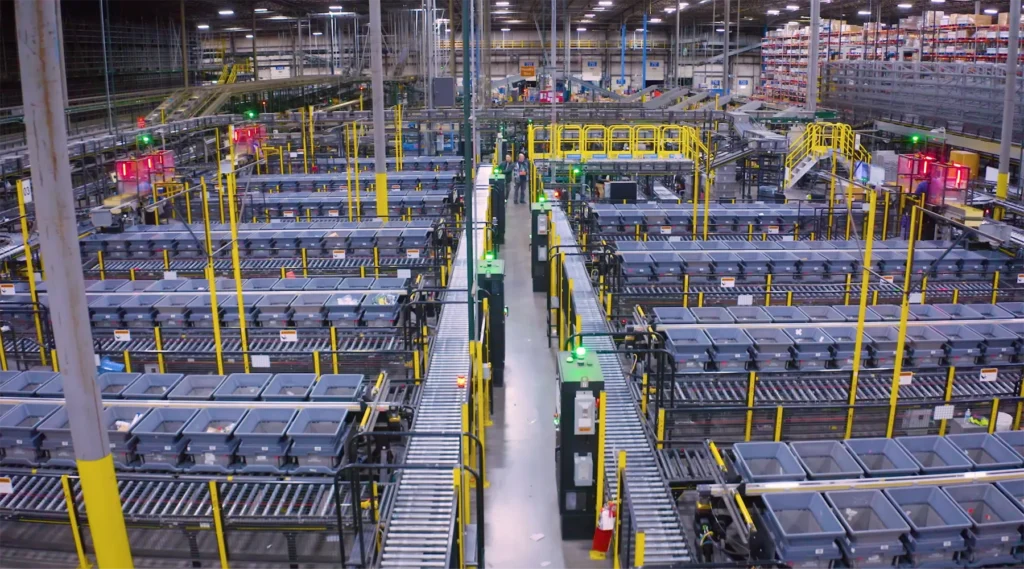
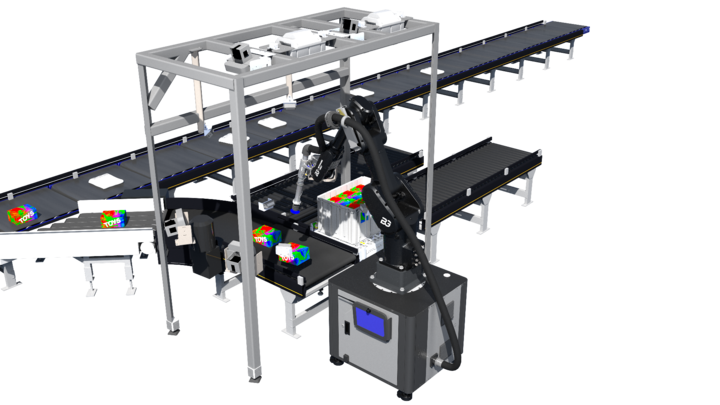
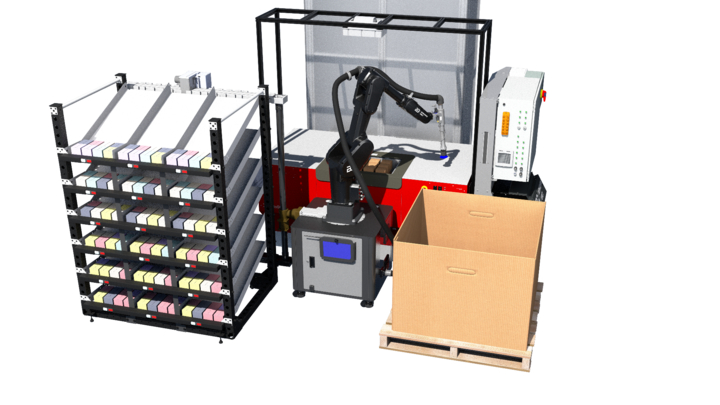
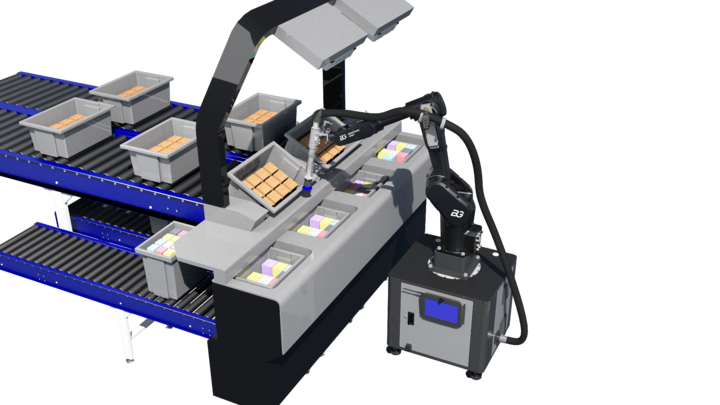
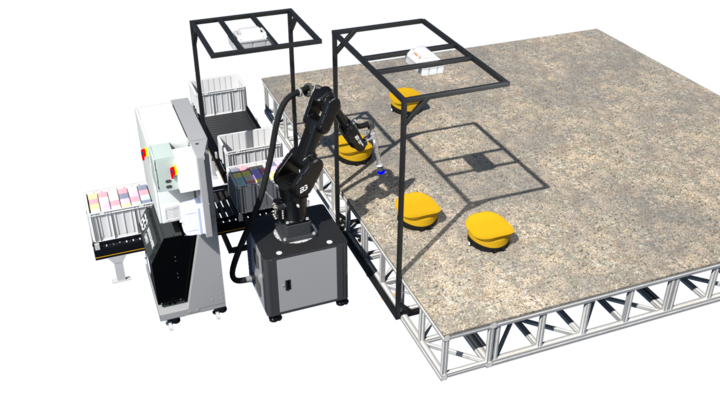
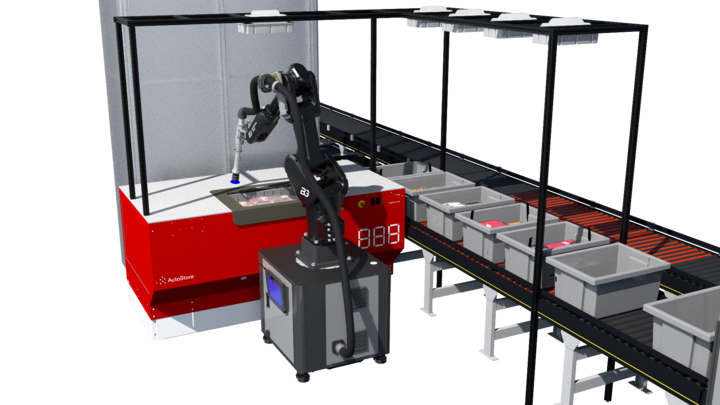
A single facility may now support stores, ecommerce, wholesale, promotions, returns, and parcel shipping from the same labor pool and floor space. When each channel needs its own manual workaround, capacity gets harder to protect and the building absorbs the cost.
Bring your fulfillment under one roof
We have helped top global retailers consolidate store replenishment, ecommerce, wholesale and promotion flows under one roof. Stride gives retailers high-density shuttle sortation that flexes as order profiles, destinations, and volume shift, without forcing a facility rebuild.
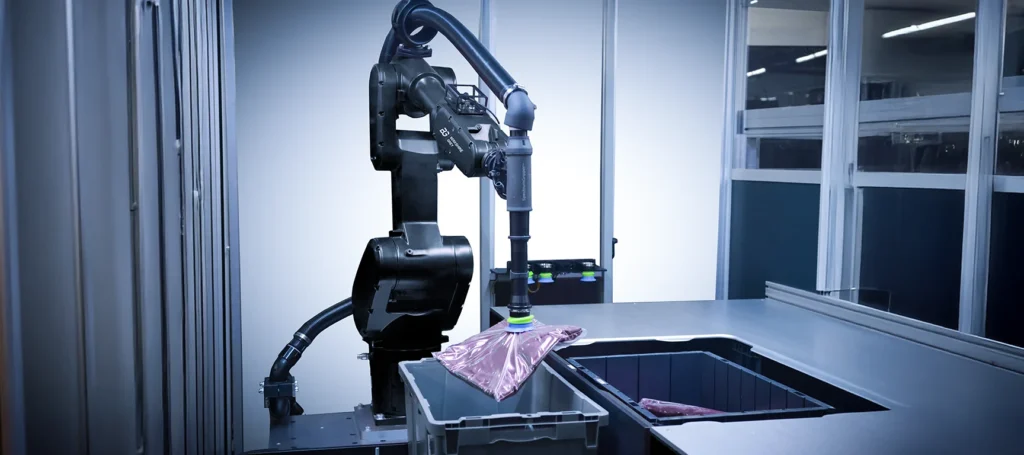
Reduce manual picking and exception work created by SKU variety, packaging variation, and channel-specific order profiles, helping retail operations keep fulfillment moving as assortments change.
Our automation solutions have allowed retailers to double their productivity in half the space of traditional systems. Imagine processing 30,000 units per hour without needing new facilities.
For retail leaders, the goal is not simply to automate a task. The goal is to build a fulfillment network that can keep up with how customers shop now.
Protect store availability
Move inventory from inbound flow to store-ready destinations with fewer delays, so replenishment windows are less exposed to unloading, sortation, or picking constraints.
Keep promotions from disrupting the floor
Absorb short-term volume spikes without creating temporary process paths that pull labor away from primary fulfillment work.
Handle retail SKU volatility
Support changing assortments across apparel, general merchandise, cartons, polybags, and irregular items without sending more work to manual exception handling.
Reduce touches between workflows
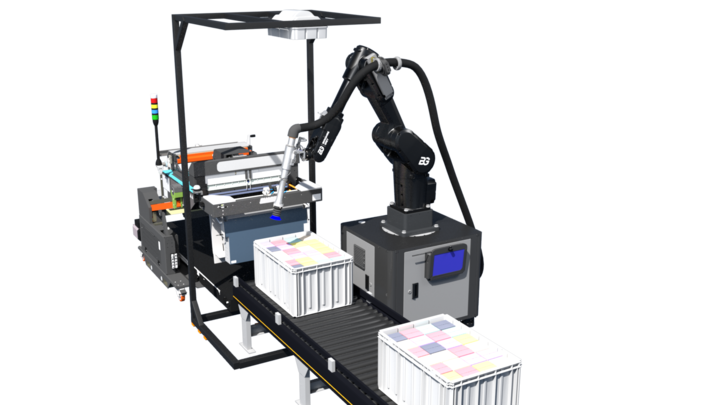
Cut the staging, scanning, rehandling, and movement that build up between picking, sortation, packing, and outbound parcel flow.
Stabilize peak operations
Keep throughput more consistent during seasonal surges by automating the workflows most likely to bottleneck when volume and labor pressure rise together.
Only pay for capacity you're using
Flexible automation lets you solve today’s constraint first, then expand as volume grows instead of overbuilding space, equipment, and capacity before you need it.