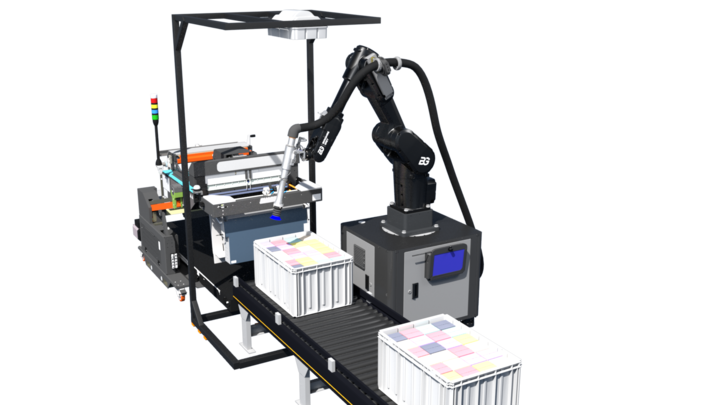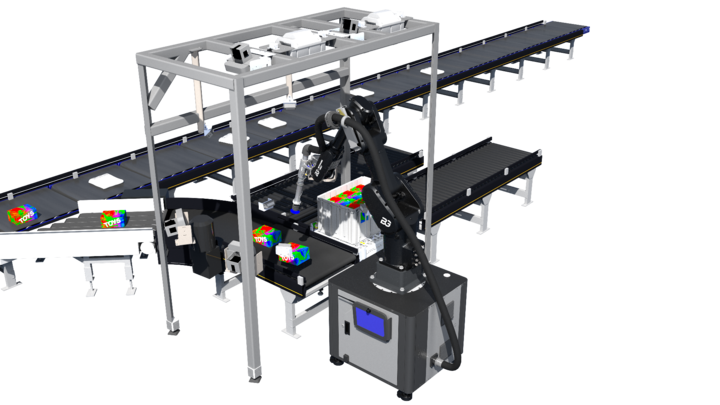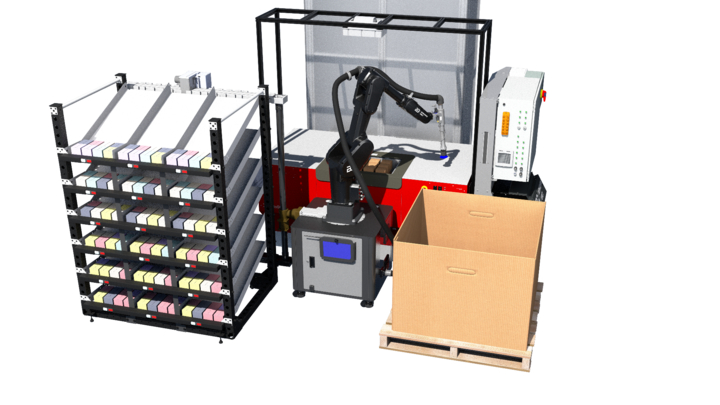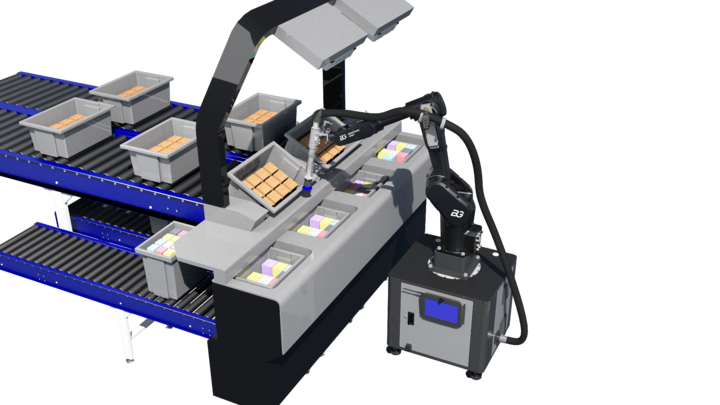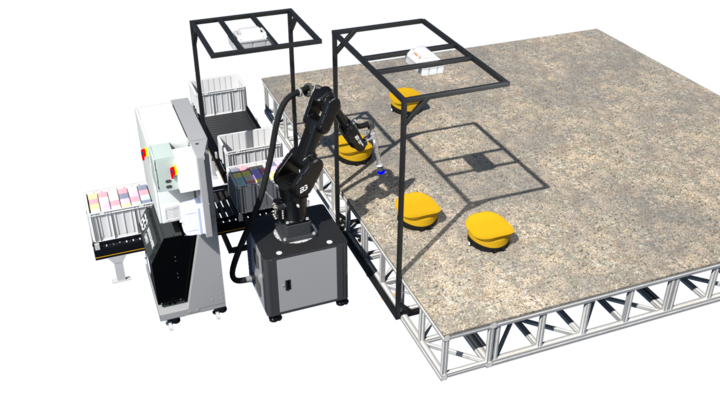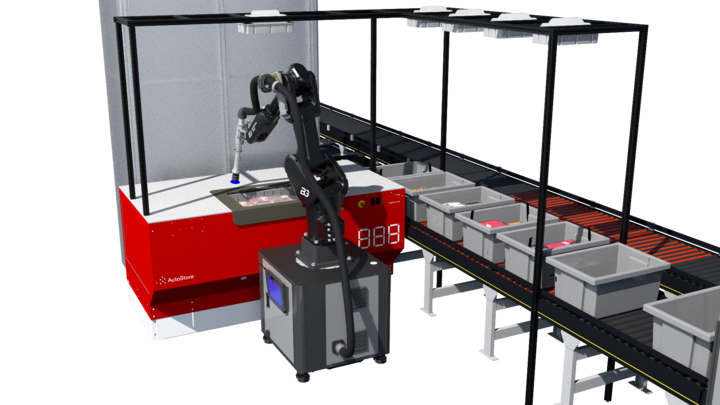

Order fulfillment has become one of the clearest tests of operational strength, especially as e-commerce demand, labor pressure, shipping expectations, and SKU complexity continue to push warehouses beyond traditional limits. Berkshire Grey helps companies meet that pressure with automated warehouse robots designed to move products through fulfillment with greater speed, accuracy, and consistency. Based in Bedford, MA, the company brings robotics, software, picking, sortation, movement, and automation together in practical systems built for real warehouse environments, not showroom conditions.
Automated warehouse robots are intelligent robotic systems that help automate tasks such as identifying, picking, sorting, packing, moving, and routing products through a facility. Berkshire Grey develops solutions that enable faster order fulfillment by integrating robotics, vision, software, and operational workflows into a coordinated warehouse automation strategy. In a modern warehouse, speed is not only about moving quickly; it is about creating a repeatable flow from inventory to shipment while reducing errors, bottlenecks, and unnecessary touches.
The pace of fulfillment has changed because customers now expect fast shipping, accurate orders, easy returns, and steady communication from the moment an order is placed. Berkshire Grey supports that new pace with automated warehouse robots that help facilities process higher volumes without adding avoidable strain to workers or management teams. In this environment, warehouse robots are revolutionizing how products move by enabling more dependable picking, sorting, and packing across e-commerce, retail, logistics, and distribution operations.
Manual-heavy picking can slow fulfillment when workers must walk long distances, search for items, handle repetitive tasks, and keep up with shifting order volume across long shifts. Berkshire Grey addresses these challenges with warehouse robotics that bring automation directly into the workflows where delays often begin. By automating picking and related movements, operations achieve greater consistency, while workers can be redirected to higher-value tasks that require judgment, exception handling, maintenance support, and warehouse management awareness.
Fulfillment flow improves when products move through the warehouse with fewer interruptions, fewer unnecessary touches, and less dependence on unpredictable labor availability. Berkshire Grey designs automated warehouse robots to support a smoother operational flow from inbound handling to outbound shipping, helping companies improve productivity without requiring a complete facility rebuild. Instead of treating robotics as a single machine purchase, the company positions automation as a connected system that can strengthen the warehouse where performance matters most.
A strong robotic warehouse strategy starts before the first customer order is picked because receiving, movement, storage, induction, sorting, and shipping all influence fulfillment speed. Berkshire Grey offers robotic systems that help stabilize these steps, enabling products to flow through warehouses with better timing and control. When automation supports each stage, the warehouse becomes less dependent on manual workarounds and more capable of keeping orders moving through daily volume, promotional spikes, and peak-season pressure.
Repetitive tasks can drain productivity when workers spend hours on predictable movements that robotic systems can perform with steady accuracy. Berkshire Grey helps automate tasks that create pressure inside fulfillment operations, including picking, sorting, packing support, trailer unloading, parcel handling, and product movement. This approach does not eliminate the need for skilled workers; it allows companies to use labor more effectively while automated systems handle repetitive motions that slow people down and increase operational fatigue.
Order speed depends on how quickly products are identified, picked, routed, packed, and prepared for shipment without compromising accuracy. Berkshire Grey brings warehouse robotics into these critical steps so automated systems can improve the pace of fulfillment while keeping each item connected to the correct order destination. In high-volume facilities, even small delays at the picking or sorting stage can multiply across thousands of orders, making robotic warehouse automation a practical path to faster daily performance.
Picking is one of the most important steps in fulfillment because every order depends on selecting the right item at the right time. Berkshire Grey supports faster picking with automated warehouse robots that combine machine vision, grasping, planning, and software intelligence to handle a wide range of products. When picking robots can identify items and move them accurately, the entire order process benefits, as packing, sortation, and shipping receive a cleaner, more reliable product flow.
Sorting can either accelerate fulfillment or create a bottleneck that constrains the entire warehouse, especially when parcels, eaches, inner packs, and mixed-order profiles must be routed quickly. Berkshire Grey provides automated sorting solutions that help warehouses reduce congestion and keep items moving toward the correct destination. With robotics warehouse systems designed for real operational variability, companies can improve throughput while reducing the manual burden often placed on workers during high-volume order waves.
Real warehouse environments are messy, fast-moving, and filled with product variety, which means automation must adapt to less-than-ideal conditions. Berkshire Grey builds robotic systems for the practical reality of fulfillment, where products may arrive in mixed totes, irregular packaging, soft bags, cartons, and shifting order profiles. A successful warehouse robot must do more than move; it must sense, decide, handle, and coordinate with surrounding systems while supporting speed, accuracy, and efficiency throughout the operation.
Vision and software enable automated warehouse robots to understand products before moving, which is essential in facilities that handle diverse inventory. Berkshire Grey integrates perception, planning, and controls so robotic systems can identify items, evaluate orientation, and complete picking or placement with greater confidence. This blend of robotics and software helps reduce uncertainty inside the warehouse, giving operations a more intelligent way to process goods without relying only on manual inspection and repetitive decision-making.
Navigation becomes critical when mobile robots, people, conveyors, storage systems, and packing stations all share a fast-moving fulfillment environment. Berkshire Grey supports coordinated automation by designing systems that help products move through the warehouse with purpose instead of confusion. Whether a facility uses autonomous mobile robots, shuttle sortation, or connected robotic workflows, better navigation helps reduce wasted travel, improve operational timing, and keep fulfillment activity aligned from one process zone to the next.
Labor optimization is one of the strongest reasons companies invest in automated warehouse robots, especially when staffing levels, training needs, and turnover create pressure on fulfillment performance. Berkshire Grey helps companies reduce dependence on repetitive manual work by placing automation where it can create the greatest operational lift. This does not make workers less important; it helps warehouses use people more effectively while robots handle tasks that require speed, repetition, endurance, and consistent execution.
Warehouse automation works best when it supports workers by removing the most repetitive, physically demanding, and time-sensitive tasks from daily operations. Berkshire Grey designs robotic systems that can help people focus on exception management, quality, supervision, maintenance, and decision-making while automated equipment handles picking, sortation, and movement. In this model, workers are not forced to compete with robots; instead, the facility gains a stronger balance between human skill and automated productivity.
Demand swings can make training a major challenge because seasonal or temporary workers often need to become productive quickly while order volume is already rising. Berkshire Grey helps reduce that pressure by using automated warehouse robots to create a more consistent process that does not require every new worker to master every detailed warehouse task. When robots handle repeatable picking, sorting, and movement, management teams can maintain fulfillment speed with less disruption during hiring cycles and peak periods.
Autonomous mobile robots help facilities move inventory, totes, parcels, or materials with more flexibility than fixed processes alone can provide. Berkshire Grey supports warehouse automation strategies that use mobile robots and intelligent routing to help products flow dynamically in response to changing fulfillment demands. This flexibility matters because warehouses rarely face the same order profile every day, and automated movement can help operations respond to shifting product volume, labor availability, space constraints, and order cut-off times.
Mobile robots can improve material flow by reducing wasted walking, supporting transport between zones, and creating flexible connections where fixed equipment may not be ideal. Berkshire Grey applies automation thinking to the movement problems that slow warehouse environments, helping companies build faster paths between picking, induction, sortation, packing, and shipping. When robotic movement is coordinated with software and fulfillment logic, the warehouse gains a more responsive way to keep products moving without overburdening workers.
Autonomous fulfillment depends on the ability to keep orders moving even when SKU mix, demand patterns, and labor conditions change. Berkshire Grey helps companies build that capability with automated warehouse robots that can support picking, sorting, and movement across different workflows. Instead of relying on rigid processes that break down under pressure, facilities can use robotic systems to create more adaptable fulfillment operations that respond to changing order requirements while maintaining high accuracy and productivity.
Accuracy is central to fulfillment because every incorrect item, misplaced package, or delayed handoff adds cost, rework, and customer frustration. Berkshire Grey brings automated warehouse robots into the picking, packing, and sorting processes, making each step more consistent and controlled. When automation improves item-level accuracy, the benefit extends across the entire supply chain because orders leave the warehouse with greater reliability and fewer downstream issues.
A wide range of product shapes, sizes, surfaces, and packaging types complicates warehouse automation when systems are overly rigid. Berkshire Grey designs robotic picking and sortation solutions that can handle real-world item variety, giving companies a practical way to automate more of the fulfillment process. From e-commerce products to retail replenishment items, automated systems must account for how products actually arrive, shift, and move within warehouses rather than relying on perfect presentation.
Clean handoffs from pick to pack help fulfillment move faster because products arrive at the next step with less confusion, less rework, and better order integrity. Berkshire Grey supports these handoffs with robotic systems that can pick items, place them accurately, and route them into the correct downstream process. This helps companies reduce unnecessary touches while giving warehouse management teams more confidence that each item is moving toward the correct customer, store, parcel lane, or packing destination.
One reliable pick matters because every order is built on individual handling decisions, and a single mistake can affect packing, shipping, returns, and customer satisfaction. Berkshire Grey focuses on robotic picking systems that use vision, grasping, motion planning, and software to improve product selection and placement. When one pick becomes more reliable, thousands of picks become more dependable, and that consistency gives automated warehouse operations a stronger foundation for faster fulfillment.
Software is the connective layer that enables automated warehouse robots to operate as part of a coordinated fulfillment system rather than as isolated equipment. Berkshire Grey uses intelligent software to support decision-making, routing, perception, task coordination, and integration across warehouse processes. When software connects robots with operational goals, the automation warehouse becomes easier to manage because products, tasks, systems, and workers can be aligned around throughput, accuracy, labor optimization, and customer delivery commitments.
Management visibility becomes more valuable as warehouses add robotics, automation, and connected systems to daily fulfillment. Berkshire Grey helps companies gain clearer insight into performance through software-driven automation that supports measurable workflows rather than relying on hidden manual workarounds. With better visibility, management teams can understand where bottlenecks appear, how picking and sorting are performing, and where additional automation could create the next improvement in productivity, efficiency, or operational control.
Robots create the most value when they coordinate with existing systems, facility layouts, workers, and fulfillment goals. Berkshire Grey designs automated warehouse robots to fit into broader operations, including conveyors, storage systems, sortation processes, packing workflows, and shipping areas. This coordination allows companies to strengthen their current warehousing infrastructure while adding automation where it makes the biggest difference. The goal is not disconnected robotics; it is a smarter operating model where systems and people move in sync.
E-commerce fulfillment creates intense pressure because orders are often smaller, more varied, more time-sensitive, and more demanding than traditional bulk distribution. Berkshire Grey helps companies improve efficiency and productivity with automated warehouse robots that can support high SKU complexity and fast order movement. In this environment, automation enables reducing touches, improving picking speed, supporting packing flow, and maintaining more consistent fulfillment operations across daily volume and seasonal demand fluctuations.
Faster order cycles begin by removing delays in the processes between order release and shipment. Berkshire Grey supports e-commerce operations by automating the picking, sorting, and movement steps that often determine whether orders leave on time. When automated warehouse robots keep products moving through the warehouse, companies can maintain service levels while providing customers with a more dependable experience. The speed advantage comes from controlled flow, accurate handling, and less reliance on manual repetition.
Productivity gains are especially valuable when companies need more throughput but do not want to rely only on additional space, labor, or manual stations. Berkshire Grey helps warehouses increase the output of existing operations by automating bottlenecks that limit fulfillment capacity. Automated systems can improve the flow of work through the facility, allowing companies to process more orders with greater control. For many operations, this means growth can happen through smarter warehousing rather than constant physical expansion.
Scalability is not simply the ability to handle more orders; it is the ability to grow without letting complexity overwhelm the operation. Berkshire Grey builds automated warehouse robots for environments where SKU variety, order volume, labor constraints, and logistics demands can shift quickly. Scalable automation gives companies a way to start with the biggest fulfillment challenge and expand into additional workflows as operational needs evolve, creating a stronger long-term warehouse automation strategy.
The best automation projects often begin where the bottleneck is most painful, whether that is picking, sortation, packing flow, trailer unloading, parcel handling, or returns. Berkshire Grey helps companies focus on the areas where automated warehouse robots can produce the clearest operational improvement. By solving the most urgent constraint first, warehouses can create immediate value while laying the foundation for a broader automation plan that improves end-to-end fulfillment.
A single robotic system can improve a specific process, but connected automation can reshape the entire fulfillment operation. Berkshire Grey supports growth from focused deployments to broader robotic warehouse networks that link picking, sorting, movement, and outbound flow. As companies expand automation, software and system integration become essential because each new robotic capability must strengthen the whole operation. This approach helps warehouses move from isolated productivity gains to lasting operational improvement.
Supply chain resilience depends on the ability to keep products moving when demand changes, labor is limited, and fulfillment pressure rises. Berkshire Grey contributes to that resilience with robotic systems designed to support steady throughput, accurate order handling, and flexible operational response. Automated warehouse robots help reduce reliance on fragile manual processes, giving companies a stronger way to maintain service levels during normal daily operations, unexpected volume shifts, and high-pressure logistics windows.
Peak volume can expose weak points in a warehouse, especially when manual picking, sorting, and shipping processes must stretch beyond normal capacity. Berkshire Grey helps companies prepare for these periods with automation that supports consistent execution across extended operating windows. Robots can maintain a steady pace through repetitive tasks, allowing workers and management teams to focus on exceptions and flow control. This makes automated fulfillment especially valuable when order volume is highest, and timing is most critical.
Distribution and logistics operations depend on a predictable flow, as every delay within the warehouse can affect transportation timing, customer commitments, and downstream planning. Berkshire Grey enables smoother flow with automated warehouse robots that move products into the right lanes, orders, containers, and destinations. When robotics, software, and operational planning work together, companies can reduce friction in the supply chain while improving efficiency across warehousing, fulfillment, and outbound logistics.
Choosing a warehouse robot requires more than interest in automation; companies need systems that can handle real product variety, integrate with existing workflows, and deliver consistent operational value. Berkshire Grey emphasizes solutions built around practical fulfillment needs, including picking accuracy, speed, SKU variability, labor optimization, and system coordination. The right automated warehouse robots should support the business model, fit the facility, and improve performance without creating unnecessary complexity for workers or management.
Flashy automation can attract attention, but practical fit is what determines whether a warehouse actually improves. Berkshire Grey focuses on robotic systems that address real bottlenecks, including hard-to-handle items, repetitive picking, sortation pressure, and labor-intensive workflows. A warehouse robot should not force an operation to become less flexible; it should help the facility perform better under real conditions. Practical automation fits the product mix, order profile, space, and daily demands of fulfillment.
Experience matters because automating a warehouse is not only a robotics challenge but also an operational one involving software, systems, labor, workflow design, and supply chain goals. Berkshire Grey brings deep robotics warehouse expertise to companies that need automation to perform in complex environments. This matters when facilities handle a wide range of products, shifting order profiles, and demanding fulfillment windows. Proven experience helps reduce risk and gives companies more confidence in the path from planning to performance.
Based in Bedford, MA, Berkshire Grey stands out for combining robotics, vision, software, and warehouse automation into solutions tailored to the practical needs of modern fulfillment. The company focuses on helping operations accelerate throughput, improve order accuracy, optimize labor, and scale without relying on outdated manual processes. For companies seeking automated warehouse robots to support real-world picking, sorting, moving, and packing workflows, this Bedford-based leader offers a compelling promotional story grounded in operational value.
Real warehouse problems rarely fit neatly into categories because a fulfillment challenge may involve labor pressure, SKU variety, space constraints, order complexity, and shipping deadlines simultaneously. Berkshire Grey builds automated solutions for these overlapping realities, giving companies tools to improve performance where operations are most strained. Whether the issue is picking accuracy, sortation speed, autonomous fulfillment, mobile robots, or warehouse management visibility, the company integrates robotics and software to enable faster order fulfillment.
The future of automated warehouse robots will be shaped by systems that can adapt, coordinate, and perform reliably across changing fulfillment needs. Berkshire Grey is positioned to help companies move toward that future with robotics that support picking, sorting, trailer unloading, parcel handling, mobile movement, and connected warehouse automation. As e-commerce, logistics, and warehousing continue to demand more speed and accuracy, automated systems will become a central part of how leading companies protect productivity, efficiency, and customer satisfaction.
For companies ready to improve fulfillment without letting labor pressure, order complexity, or operational bottlenecks limit growth, Berkshire Grey offers a compelling path forward. Automated warehouse robots are no longer optional upgrades for facilities that want to stay competitive; they are becoming essential tools for smarter movement, faster order processing, and stronger supply chain performance. With intelligent robotics, software-driven coordination, and a focus on real warehouse environments, the company helps businesses build fulfillment operations that are faster today and better prepared for tomorrow.
Answers to commonly asked questions.
Automated warehouse robots are robotic systems designed to help move, pick, sort, pack, and manage products inside a warehouse or fulfillment center. Berkshire Grey develops automated warehouse robots that integrate robotics, software, vision, and intelligent controls to enable faster, more accurate order fulfillment. These systems help warehouses improve productivity while reducing reliance on repetitive manual tasks.
Automated warehouse robots improve order fulfillment by helping products move through picking, sorting, and shipping workflows with greater speed and consistency. Berkshire Grey creates robotic systems that reduce bottlenecks and help warehouses maintain steady throughput during daily operations and peak demand. This allows fulfillment teams to process orders more efficiently while supporting higher accuracy.
E-commerce fulfillment often involves high order volume, fast delivery expectations, and a wide range of product types. Berkshire Grey helps e-commerce warehouses manage this complexity with automated warehouse robots that support picking, sorting, and product movement. By automating key fulfillment tasks, these systems help operations keep pace with customer demand and reduce delays.
Automated warehouse robots can support tasks such as picking items, sorting parcels, moving products, handling totes, assisting packing workflows, and routing orders through the warehouse. Berkshire Grey designs robotic warehouse solutions that help automate repetitive and time-sensitive tasks across fulfillment operations. These systems allow workers to focus on higher-value responsibilities while robots handle consistent operational movement.
Automated warehouse robots are designed to support workers by taking on repetitive, physically demanding, or high-volume tasks. Berkshire Grey helps companies use automation to improve labor efficiency while allowing employees to focus on supervision, exception handling, quality control, and other skilled work. This creates a stronger balance between human expertise and robotic productivity inside the warehouse.
Automated warehouse robots increase accuracy by using software, vision, sensors, and controlled motion to identify and handle products more consistently. Berkshire Grey applies advanced automation technology to reduce picking errors, improve sortation reliability, and support correct order routing. Greater accuracy helps warehouses reduce rework, protect customer satisfaction, and maintain a smoother fulfillment process.
Automated warehouse robots are especially useful during peak seasons because they help maintain consistent throughput when order volume rises. Berkshire Grey provides automation solutions that support warehouses during high-demand periods by reducing pressure on manual picking, sorting, and movement tasks. This helps fulfillment operations keep orders moving even when labor and time are under greater strain.
Automated warehouse robots can often be integrated with existing warehouse systems, workflows, conveyors, storage solutions, and software platforms. Berkshire Grey designs robotic automation with practical warehouse environments in mind, helping companies improve performance without unnecessary disruption. The right system can strengthen current operations while creating a foundation for future automation growth.
Berkshire Grey is a strong choice for warehouse automation because it combines robotics, software, vision, and fulfillment expertise into solutions built for real operational challenges. Its automated warehouse robots are designed to support faster order fulfillment and scalable supply chain performance.
Automated warehouse robots help future-proof fulfillment operations by providing warehouses with greater flexibility, speed, and consistency as demand shifts. Berkshire Grey supports long-term growth with robotic systems that can help companies manage higher order volumes, labor challenges, SKU complexity, and evolving customer expectations. As fulfillment becomes more demanding, automation helps warehouses stay productive, resilient, and ready for what comes next.
140 South Road. Bedford, MA 01730
Automated warehouse robots are changing how fulfillment operations move, pick, sort, and ship products with greater speed and reliability. Berkshire Grey helps companies meet rising e-commerce and logistics demands with intelligent robotics, software, and warehouse automation solutions built for real operational challenges. From its Bedford, MA, location, Berkshire Grey gives businesses a stronger path to improve productivity, reduce manual strain, and achieve faster, more accurate order fulfillment. As warehouses continue to face labor pressure, higher order volumes, and increasing customer expectations, automation is becoming essential for long-term success. Berkshire Grey stands out as a trusted leader in automated warehouse robots, helping companies build smarter, more scalable fulfillment operations that are future-ready.