
By Gabrielle Vaccaro
Purchasing a sortation system is a major investment that can have a lasting impact on your operation’s efficiency, productivity, and ability to scale. To make an informed decision and select the right solution for your facility, here are seven key factors you should carefully consider.
1. Can you depend on the published throughput number?
Advertised rates can be misleading because vendors may measure throughput differently. Item characteristics, order profiles, induction methods, destination availability, exceptions, and operating schedules can all affect performance.
Ask each vendor:
- What does the rate count: item movements, successful diverts, completed orders, or shipped cartons?
- Is it based on an ideal test hour, a sustained production hour, or a real-world shift?
- Was it measured using easy-to-handle products or your actual merchandise mix?
This clarity helps prevent the business from paying for throughput that upstream operations cannot supply, downstream processes cannot absorb, or manual exception handling ultimately reduces.
2. How much of the merchandise mix can it automate?
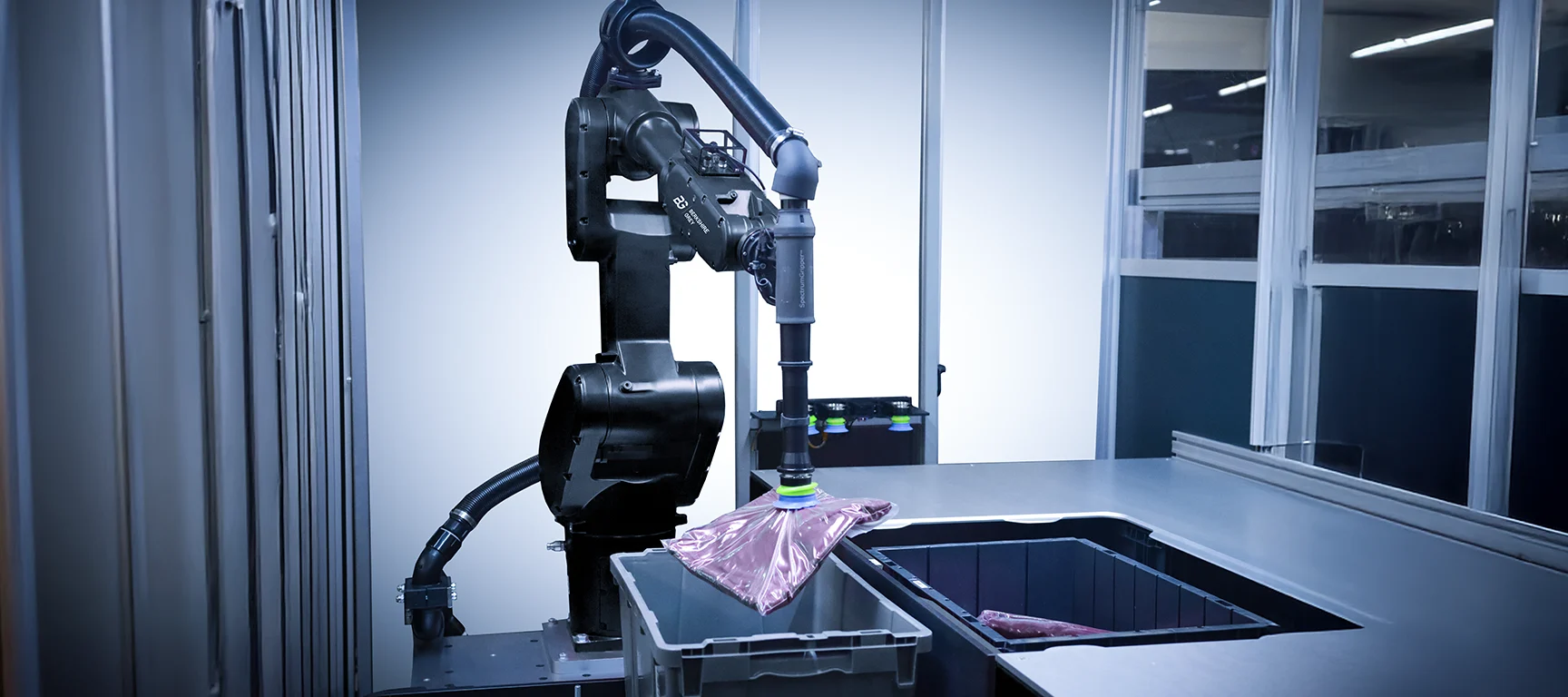
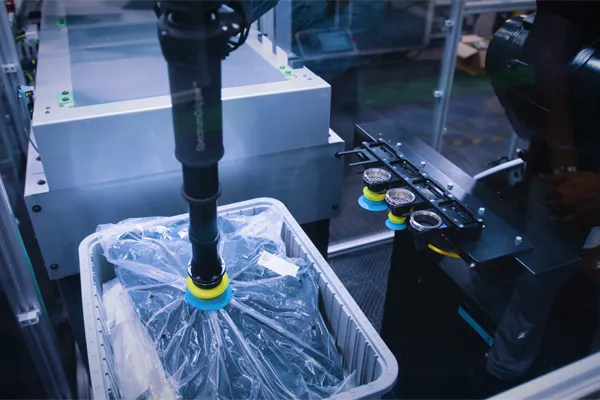
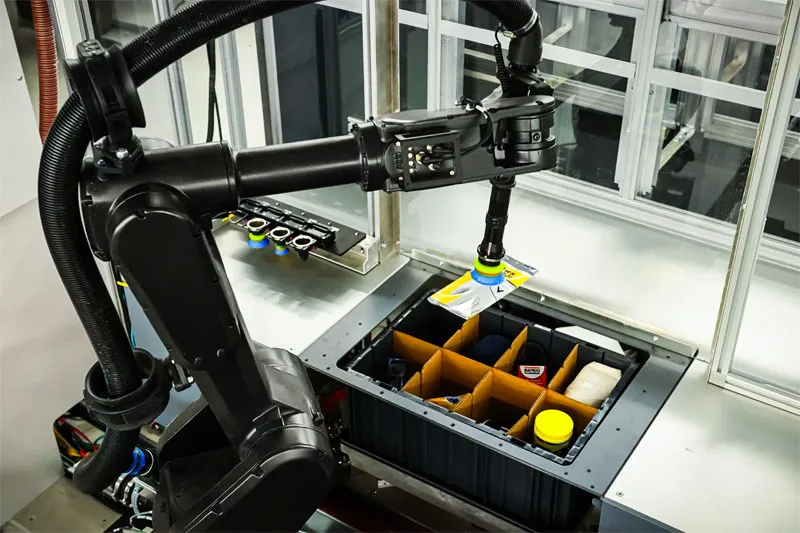
A fast sorter creates limited value if much of the assortment still requires manual handling. Apparel, cosmetics, accessories, folded goods, small items, and irregular products can expose the limits of systems designed for uniform merchandise,and increase Total Cost of Ownership due to cumbersome manual processes. You should also think about the art of the possible – are there items which I always thought were automation ineligible that could be processed through newer sortation solutions in the market.
Test item eligibility using real SKU and order data, not a curated demonstration set. Then calculate the labor, space, and complexity required to handle everything left outside the automated process.
Broader merchandise coverage increases automated volume while reducing costly manual exception workflows. Both benefits should be included in the business case.
3. What happens when something in the Sortation System fails?
Every system will eventually experience faults or maintenance events. The important question is how much capacity remains and how quickly the operation can recover.
Ask vendors:
- Can work be rerouted around an unavailable component?
- Can unaffected portions of the system continue operating during maintenance?
- Is there a practical bypass for priority volume?
- What percentage of planned output remains during a representative failure?
Look for tested recovery procedures, comparable uptime data, repair times, spare-parts availability, and support coverage. A demonstrated recovery scenario is more valuable than a general promise of high uptime.
4. Does labor enable throughput or constrain it?
Many sorters depend heavily on people. Associates may need to induct items, monitor destinations, remove completed containers, and resolve exceptions.
If induction falls behind, the sorter is starved. If takeaway falls behind, destinations fill and product stops flowing. The equipment may remain available while actual output falls.
Evaluate labor requirements across average, peak, and degraded conditions. Include break coverage, absenteeism, training, turnover, and less favorable item mixes.
The goal is not simply to reduce headcount. It is to increase output per labor hour and reduce dependence on perfect staffing, constant walking, and precise human pacing.
5. Can capacity grow without overbuilding?
Tomorrow’s order profile will not match today’s design assumptions. Store counts, channel mix, SKU dimensions, packaging, and service expectations will change.
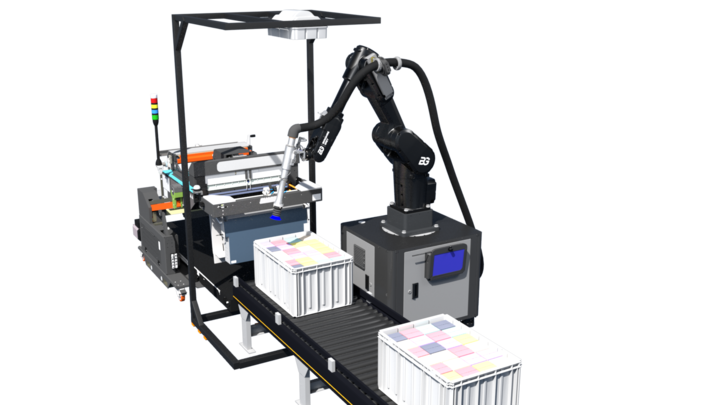
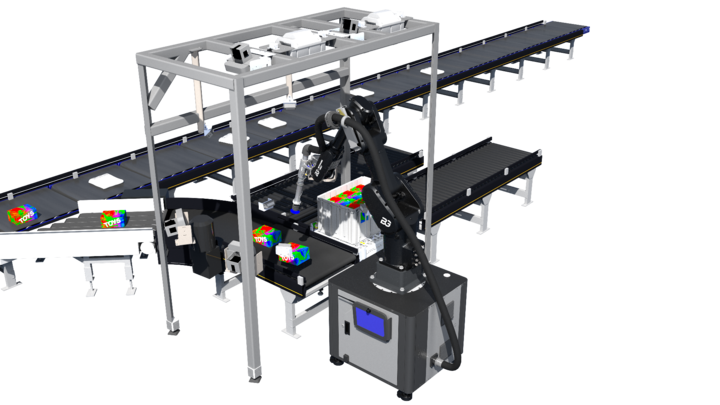
Determine what is required to expand the system. Can capacity be added through software, , destinations, or modules, or will growth require a rebuild and a major shutdown?
A modular system can allow the business to install the capacity it needs today and expand as demand materializes. This preserves capital and reduces the risk of buying years of forecast capacity upfront.
Physical adaptability matters too. In an existing facility, the best system may be the one that fits around columns, mezzanines, low clear heights, and other building constraints.
6. Does the business case account for the total economics of fulfillment?
Purchase price is only one part of the investment.
The financial model should also consider:
- Direct and indirect labor
- Manual exception handling
- Packaging and carton handling
- Training, overtime, and seasonal staffing
- Maintenance, software, energy, spares, and support
- Downtime and implementation disruption
- Future expansion
- Facility costs that can be delayed or avoided
Compare the total cost per completed unit or order across several demand scenarios. Test how the return changes when assumptions about volume, wages, uptime, item eligibility, or ramp speed are wrong.
The strongest investment is not always the one with the best base-case payback. It is the one that continues performing when operating conditions change.
7. Can it be integrated and deployed without disrupting service?
A sorter depends on accurate, timely instructions from warehouse and enterprise systems.
Confirm how it will exchange item, destination, priority, container, exception, and completion data with the existing technology stack.
The implementation plan should also cover software integration, site testing, training, ramp criteria, parallel operations, rollback plans, and ownership of every dependency.
This is especially important in a brownfield facility. A system that fits familiar workflows and supports a phased cutover may create more value than one with a more disruptive deployment.
Before making a decision, ask vendors to support their claims with operational data, realistic testing, clear assumptions, and demonstrated recovery scenarios. Evaluating each solution against these seven questions will help you see beyond the headline numbers and choose a system that creates measurable value under real-world conditions.
Ultimately, the best sortation investment is one that performs not only during an ideal demonstration, but every day, during peak demand, unexpected disruptions, and what comes next.