Resources

Berkshire Grey Ebooks

Berkshire Grey Robotic Sortation as an Alternative to Traditional Unit Sorters

Berkshire Grey Robotic Sortation as an Alternative to Traditional Unit Sorters

    Recent years have brought on a host of new challenges for companies. Chief among these are a changing labor market, higher customer expectations, the rapid growth of eCommerce and strained capacity.

But with those challenges, innovative ways to handle order fulfillment have emerged, with AI-enabled picking automation in the warehouse being a key solution. “Robotic picking systems,” says Chris Geyer, vice president and fellow with Berkshire Grey, a leader in AIenabled robotic solutions that automate supply chain processes, “offer that different way to get work done.”

Improve labor utilization, save on shipping costs, and accelerate delivery speeds by automating package sortation.

Online shopping is booming across every retail category, and consumers want their online purchases to arrive quickly without being expected to pay a premium for it. This means retailers and 3PLs need to ramp up fulfillment operations to process higher volumes of online orders while dealing with labor availability challenges and rising shipping costs.

Customers shopping online want fast, free shipping

  • US eCommerce sales are expected to grow 17.9% this year to reach $933.3 billion.
  • Online shopping is on track to surpass 20% of total retail by 2024 in the U.S.
  • 42% of Americans said they would purchase directly from a branded manufacturer if they promised free and fast shipping.

Due to the increased labor required, eCommerce fulfillment operations typically do not sort and bag small parcels prior to carrier handoff. This results in human operators handling each individual item to then place on trucks, which requires a lot of labor and can lead to late deliveries, damaged goods, or lost packages.

Companies of all sizes can take advantage of the automation technology that major parcel and package carriers like FedEx Ground use within their own networks. With robotic product sortation systems, all eCommerce fulfillment operations can leverage cost-effective, efficient, and automated sorting for packaged customer orders — without incurring excessive shipping costs or adding more headcount to an already limited workforce.

“We are encouraged by the initial package handling and processing accuracy of Berkshire Grey’s RPSi system in our Queens facility. As an industry leader in technology and automation, we see the significant benefits that next generation innovation brings in terms of enabling increased safety and productivity, enhancing customer service and improving flexibility to adjust to changing package volumes and sizes. ”

— Ted Dengel, Managing Director of Operations Technology and Innovation, FedEx Ground

Robotic package sortation saves labor in the truck loading process and requires significantly less labor than other sortation methods.

Currently, most fulfillment operations randomly floor load packages into trailers regardless of destination. By leveraging robotic automation to pre-sort packages by destination location, companies can create bags or boxes containing many packages that are tagged to be sent to specific nodes in their carriers’ networks.

This enables eCommerce fulfillment operations to:

  • Robotically sort large volumes of eCommerce packages with minimal labor, reducing costs at the fulfillment center.
  • Eliminate operators having to touch each package for shipment processing, reducing sortation labor.
  • Speed up truck loading by reducing the number of single items loaded into each trailer.

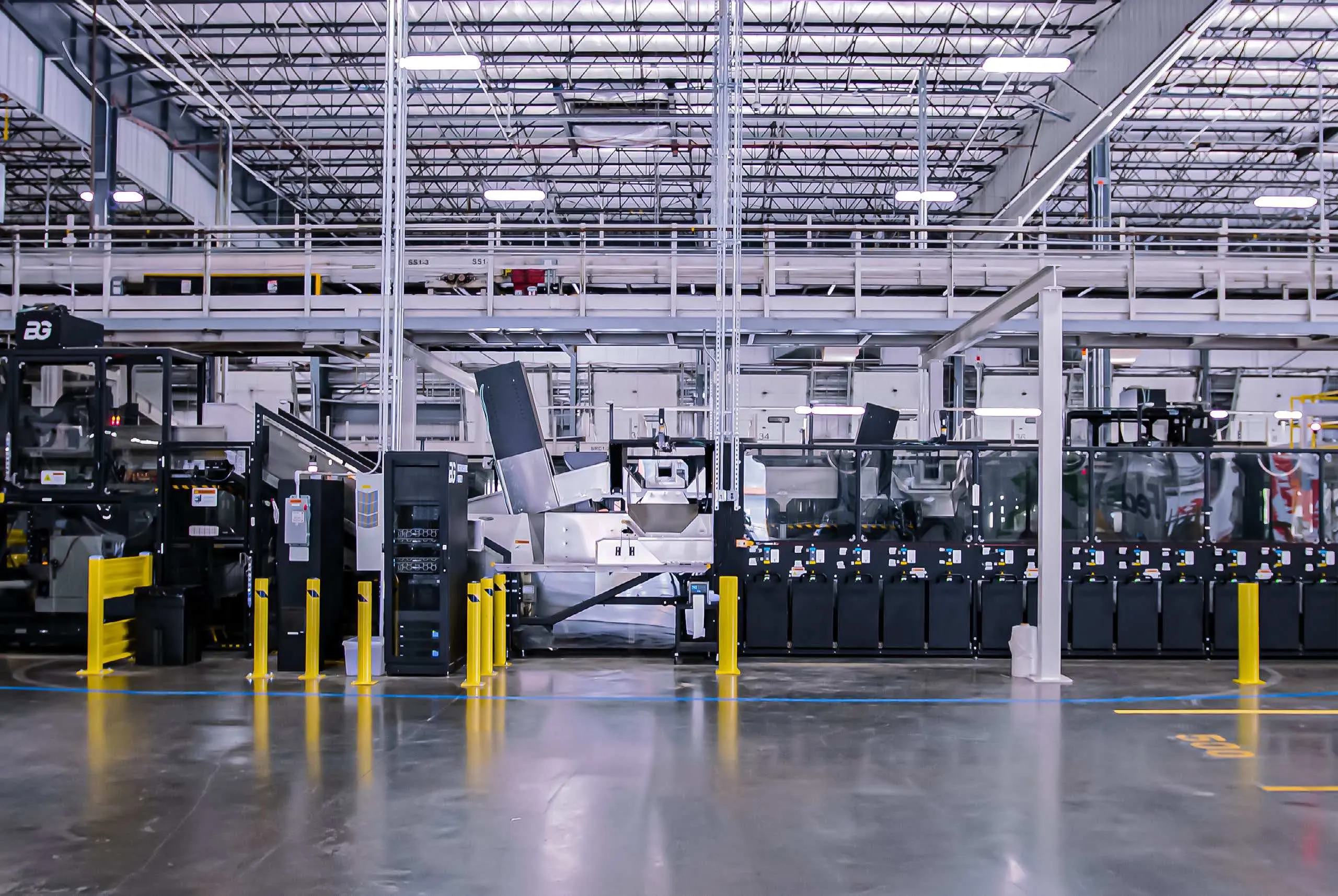
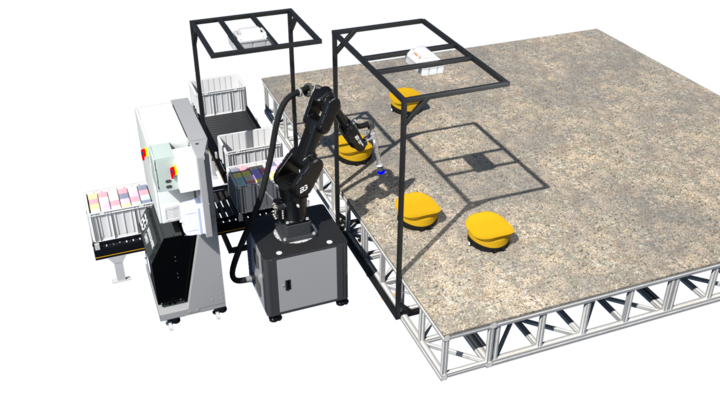
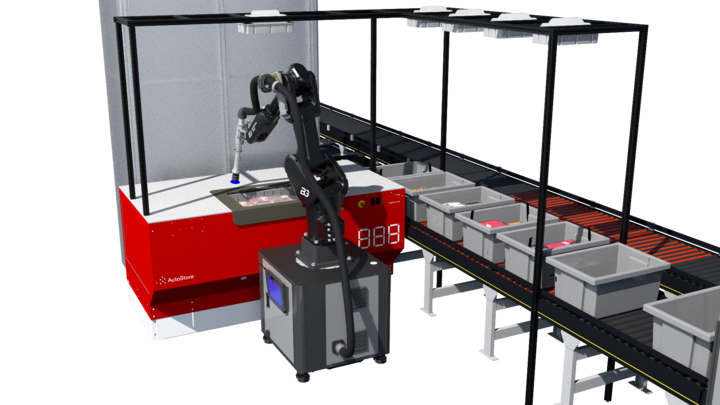
Robotic Parcel Sortation With Identification (BG RPSi)

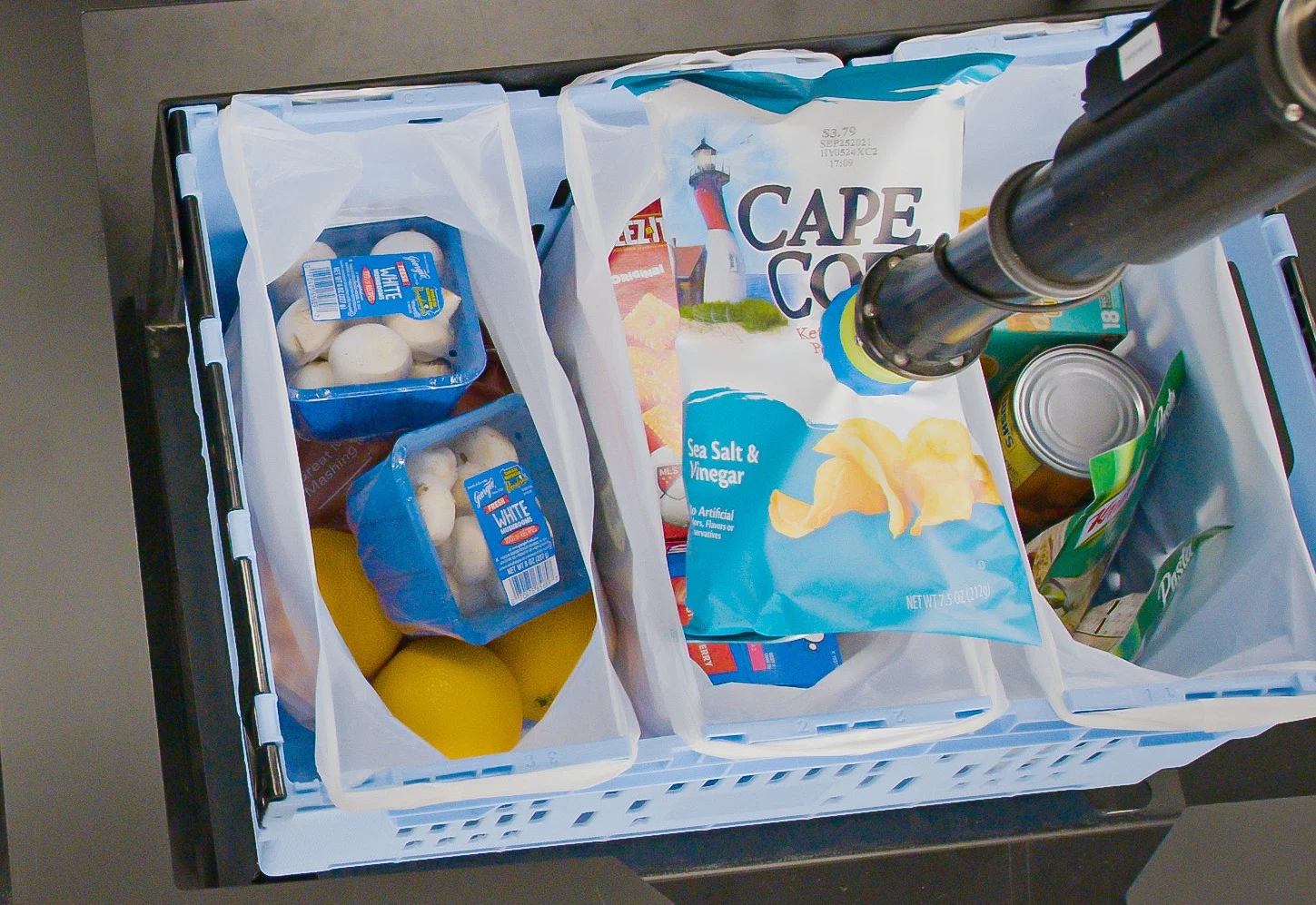
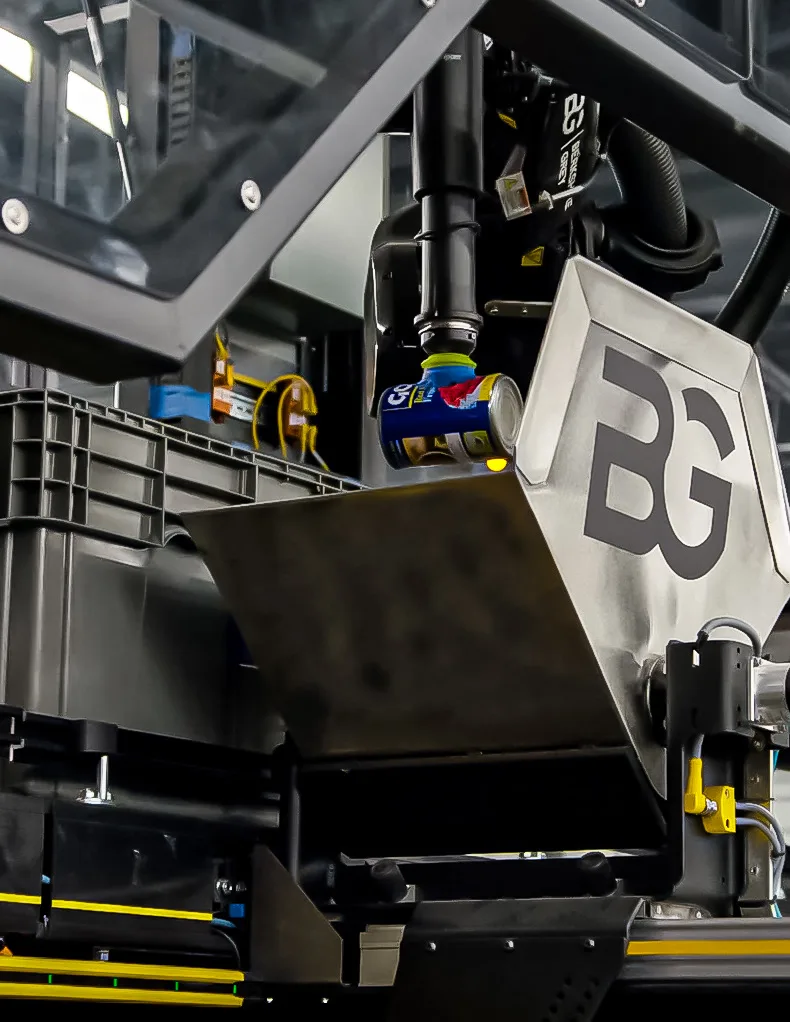
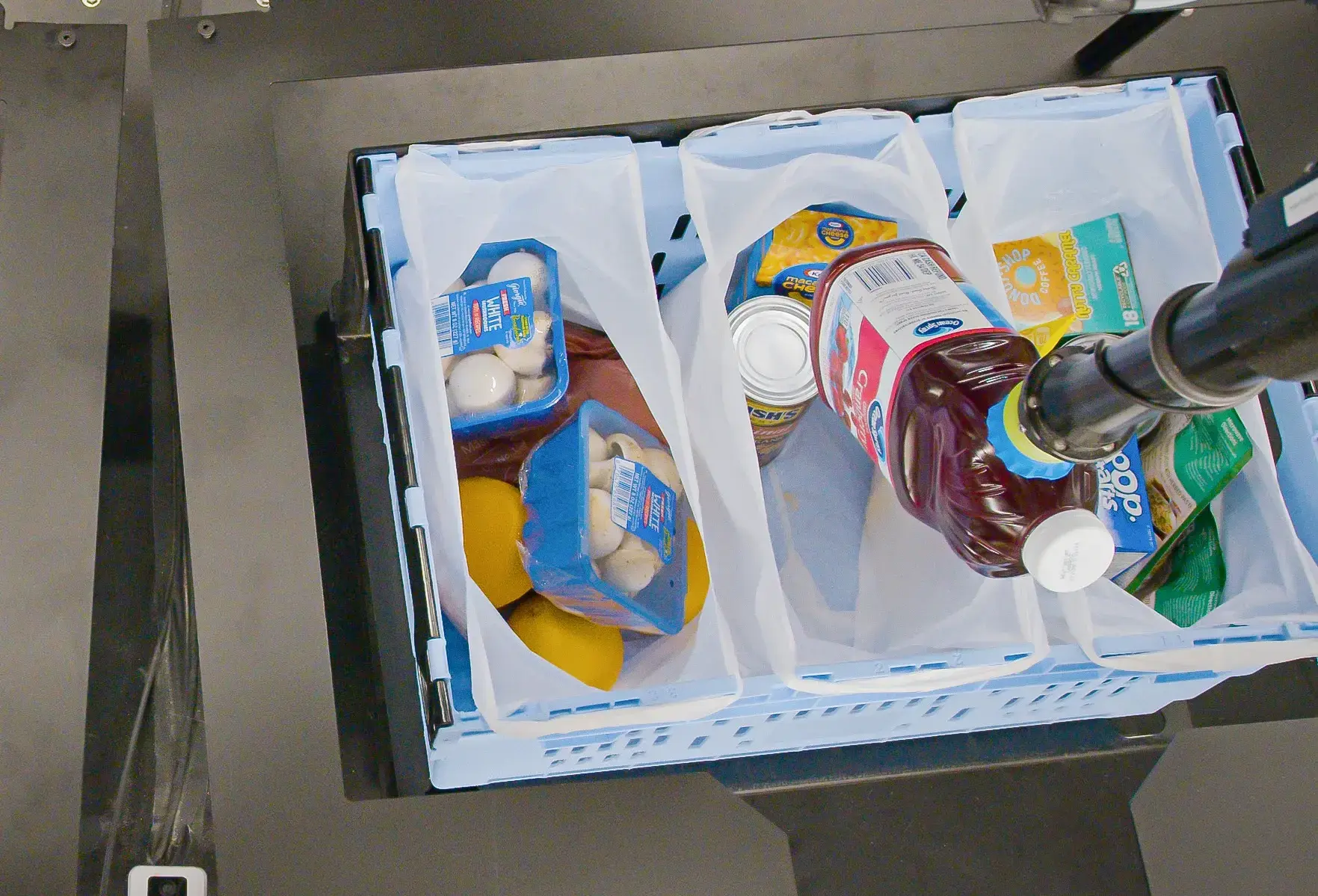
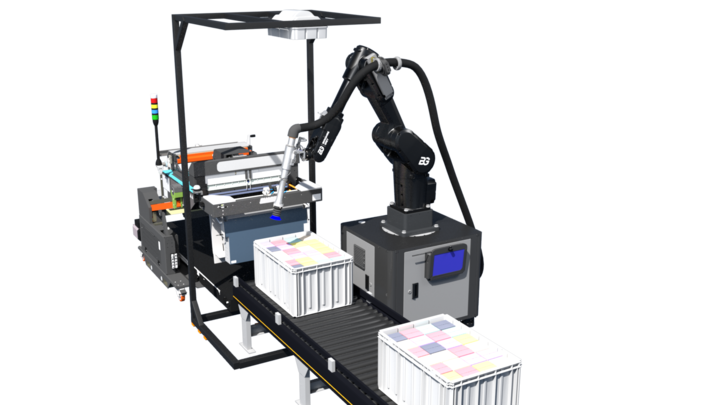
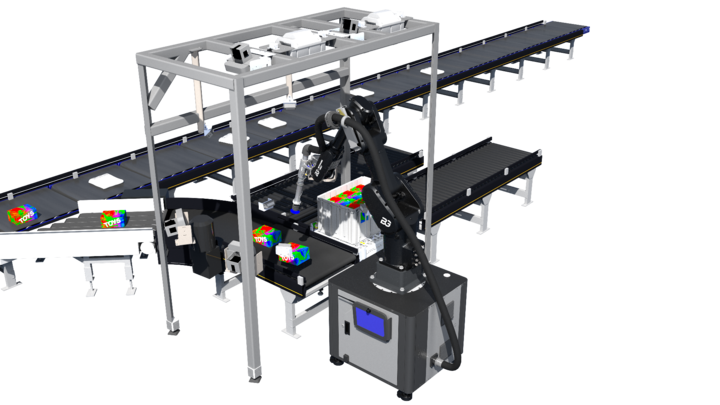
Automated robotic sortation systems that pick, identify, and sort products and packages from clutter into collection bags and containers.

Shipping costs are reduced by sorting small packages to collection bags, making it easier for carriers to process.

Parcel and package carriers will pass on the savings to their customers if customers provide bags of pre-sorted goods bound for the same destination rather than many loose packages traveling to various disparate locations. Sorted packages can be more easily processed by carriers, which can mean lower prices for carriers and quicker transport through carrier networks.

This practice is commonly referred to as “zone skipping” because the carriers can pass the bags through their networks without having to incur the time and cost of sorting them at nodes within their networks.

Identifying parcels going to similar destinations and loading trucks with bagged and tagged collections of small packages enables eCommerce companies to:

  • Take advantage of zone-skipping, which means the same package is not sorted again at another node before reaching its destination.
  • Improve delivery success with fewer single packages placed in trucks, which reduces the chances of late or lost packages.
  • Reduce the likelihood of small, individual packages being damaged in transit because there are fewer touches between the fulfillment operation and the customer location.

Robotic package sortation accelerates package delivery and achieves higher customer satisfaction.

Sorting and containerizing eCommerce packages is not something that consumers will ever see or know about — nor should they. For many businesses, not only does robotic automation help speed up delivery times, but pre-sorting packages can also improve customer satisfaction and loyalty.

Retailers and 3PLs can improve customer service by accelerating package delivery, lessening the chances of packages getting lost in transit, and reducing the chances of packages being damaged as they are knocked around in the back of a trailer. And that ultimately means consumers get their goods faster.

Customer satisfaction and then brand loyalty are driven by robotic package sortation because:

  • Customer packages in pre-sorted bags get through carrier networks and closer to customers faster.
  • Fewer processing steps at multiple nodes and less time within carrier networks shorten overall delivery times.
  • Getting items as close to the final delivery location as quickly as possible boosts delivery speed.


Berkshire Grey’s intelligent enterprise robotics accelerate eCommerce fulfillment operations and lower shipping costs.

Retailers, 3PLs, and eCommerce companies can use less labor, spend less money, and take less time shipping products to customers with the help of robotic package sortation. Berkshire Grey’s AI-enabled robotic sortation solutions can help companies manage the massive growth in small parcels in customer orders, enable businesses to pre-sort packages, reduce costs, and speed up customer deliveries. Berkshire Grey solutions can decrease the overall operational costs associated with sorting parcels and packages because they are:

  • Modular enough to scale as demand shifts.
  • Compatible with manual and other automated processes to offset labor costs.
  • Flexible to fit into any available space.
  • Deployable in existing and new fulfillment environments.
  • Available via both CapEx and RaaS investment models.

You May Also Like

Cover-cape-cod-bins

Making the Business Case for Automation

cover-grocery-bins

Why Businesses Are Embracing Automation

Cover-robot-arm

Beyond Picking