
Returns create a second supply-chain journey as complex as fulfillment. Products must be received, identified, inspected, routed, and assigned the right disposition. Return processing automation reduces manual handling and decision-making, helping warehouses move merchandise toward resale, recovery, or resolution faster.
Returns automation uses software, workflow rules, AI, and robotics to move products through the reverse logistics lifecycle with fewer manual steps. It can automate digital decisions and physical warehouse activities, including authorization, routing, identification, movement, and sortation.
The goal is to automate repeatable work while routing exceptions to employees when judgment is required.
Manual returns often involve repeated checks, handoffs, and data entry. Friction points include:
The slowdown is often deciding whether a return qualifies and where it should go next.
The process begins when a return is created. The system captures its reason, product information, eligibility, and requested resolution. A rules engine compares that information with return policies and can approve or deny straightforward requests.
Exceptions can move into a human-review queue without slowing routine returns.
Once merchandise enters the reverse-logistics network, receiving automation helps match the physical product with its return record. Barcode scans, SKU identification, and condition checks create traceability from arrival.
Verification confirms the product and whether it qualifies for resale, repair, or another disposition.
After verification, the item must move to the destination. Depending on condition and value, it may go to:
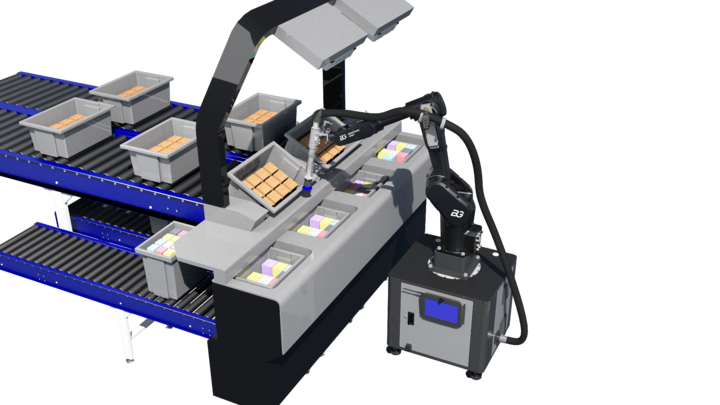
Robotic sortation and automated movement can reduce manual touches while directing products through these paths.
Physical processing should connect with business systems. Once a return is verified and its disposition is confirmed, automated workflows can update inventory, change return status, trigger accounting actions, issue refunds or credits, and initiate exchanges.
This synchronization reduces gaps between physical activity and digital records.
Automation does not remove human judgment. Damaged items, warranty claims, suspected fraud, unusual conditions, and other exceptions can be escalated while returns continue automatically.
Predefined workflow rules standardize authorization, routing, disposition, communications, and escalation, producing consistent responses instead of relying on individual interpretation.
Return processing may interact with:
Integration creates shared information, reducing manual reconciliation of return status, inventory, and financial records.
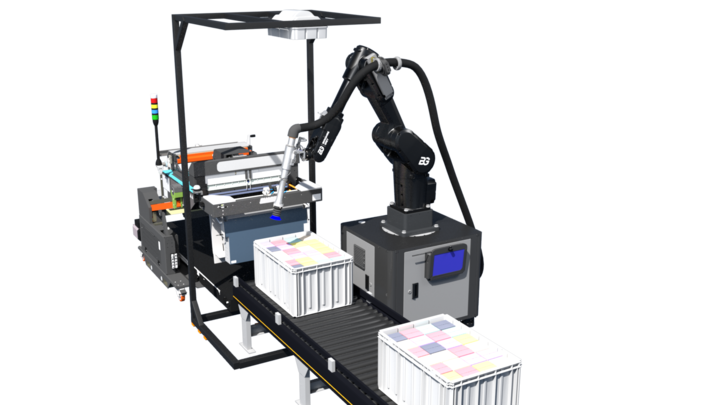
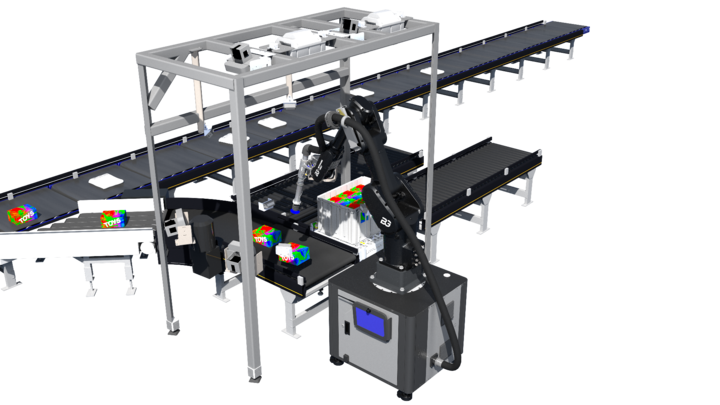
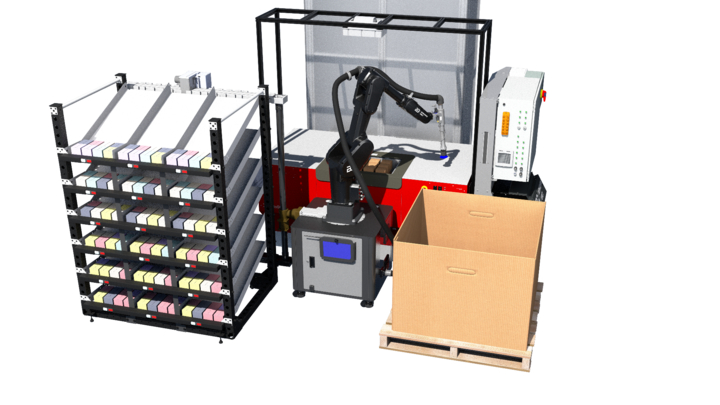
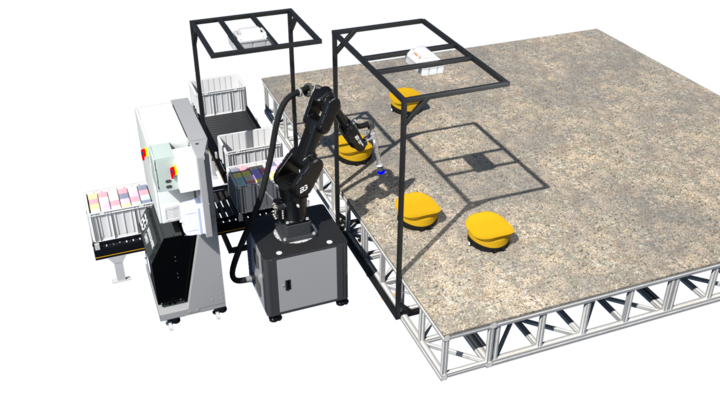
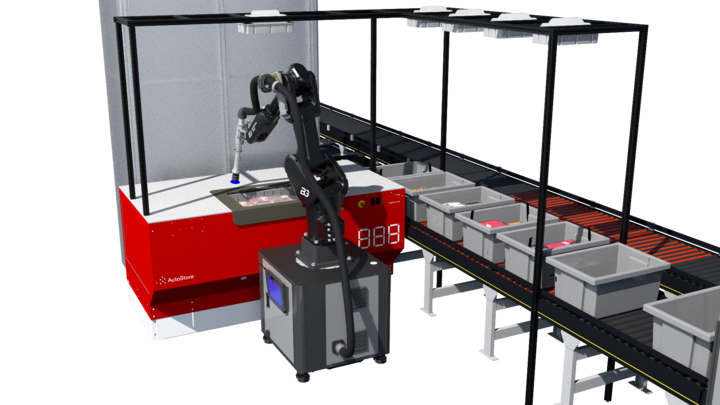
AI robotics extends automation into the warehouse through repetitive identification, picking, movement, and sorting tasks.
Berkshire Grey focuses on AI-enabled robotic automation for warehouse picking, sortation, unloading, and other high-volume material-handling workflows. In reverse logistics, these capabilities can address physical bottlenecks that remain after digital workflows are automated.
Automated movement and standardized workflows can help facilities process more returns without labor growing at the same rate, leaving employees more time for exceptions.
Returned merchandise can lose value while unavailable for sale. Faster verification, routing, and disposition shorten return-to-inventory time and return resellable products to circulation sooner.
Automation can improve:
A centralized view helps teams track each return and reduces the risk of products getting lost between handoffs.
Faster processing and clearer status information reduce customer uncertainty. Timely updates and predictable handling create a smoother experience without requiring teams to track every item manually.
Before automating, document return policies, return reasons, product categories, inspection requirements, disposition rules, system connections, manual handoffs, and exception scenarios.
Automation works best when the process is clear. Inconsistent policies or routing rules can simply make problems occur more consistently.
Create baselines for processing time, labor requirements, cost per return, time to restock, accuracy, automation coverage, and exception rates.
Assign ownership for exceptions, rule updates, and performance. Continuous improvement allows automation to evolve as products, policies, return patterns, and priorities change.
Organizations evaluating warehouse returns automation should identify repetitive physical bottlenecks. Receiving, movement, picking, and sortation can consume labor even when software manages authorization and communication.
Berkshire Grey’s AI-enabled robotic systems support these physical opportunities, improving throughput and reducing manual handling without replacing returns-management software.
Discover where robotic automation could improve your returns operation. Contact Berkshire Grey at +1 (833) 848-9900 or use the company’s online contact form to discuss warehouse automation requirements with its team.
Answers to commonly asked questions.
It uses software, AI, workflow rules, and robotics to move returned products through receiving, verification, routing, and disposition.
Authorization, receiving, identification, sortation, inventory updates, communications, refunds, exchanges, and disposition decisions can be automated.
Robotics reduces manual handling by automating repetitive product movement, picking, and sorting inside warehouse return workflows.
No. Employees remain important for exceptions, complex inspections, fraud concerns, warranties, and decisions requiring judgment.
Yes. Automated workflows can connect with WMS, ERP, inventory, transportation, e-commerce, and returns-management systems.
Products may be restocked, repackaged, refurbished, resold, liquidated, recycled, or disposed of according to predefined rules.
Track processing time, throughput, labor efficiency, cost per return, return-to-inventory time, accuracy, coverage, and exception rates.
140 South Road. Bedford, MA 01730