

Peak season puts every fulfillment promise to the test.
Order volumes rise. The merchandise mix shifts. Teams work against shipping cutoffs with little room for delays or rework. A process that keeps pace on an average day can become the bottleneck for the entire operation.
As retailers prepare for peak 2026, the question is: can your operation sustain the throughput you need with the people, space, and systems you have?
Many of the challenges that intensify during peak already exist throughout the year. Higher volumes expose them, while tighter schedules leave fewer opportunities to recover. Robotic automation can help address those operational constraints and build capacity the operation can depend on.
1. Increase capacity where work backs up
A warehouse can have equipment running at full speed and still struggle to get orders out the door.
Trailers wait to be unloaded. Picking slows when difficult products require extra handling. Completed cartons occupy sortation destinations until someone removes them. Each delay consumes time, space, and attention.
Peak makes those bottlenecks harder to manage. A promotion changes which products move fastest. Store replenishment and eCommerce orders compete for shared resources. The same number of units can require very different amounts of work depending on the merchandise mix, order sizes, and destinations.
Adding speed at one step may simply move the queue to the next. Adding equipment can also be difficult when staging areas, manual workstations, and existing infrastructure already compete for floor space.
Robotic automation can help increase usable capacity by handling more of the merchandise mix and reducing manual handling between steps. Compact systems that fit established workflows can also help retailers get more output from their existing facilities.
The opportunity may begin with unloading that keeps inbound freight moving, robotic picking that handles a broader range of SKUs, or sortation that reduces manual handling and keeps destinations available. The priority is to address the bottleneck limiting overall throughput and ensure upstream and downstream processes can support the added capacity.
Put it into practice: Follow a representative product flow from receiving through outbound staging. Record where work waits, which products require separate manual handling, and what intervention gets things moving again. Those observations can reveal more about usable capacity than an equipment rating alone.
2. Reduce the work that makes peak harder to staff
A fully staffed shift can still be short of productive capacity.
At the dock, repetitive lifting and variable trailer loads make unloading physically demanding and difficult to staff consistently. At picking stations, repeated reaching, grasping, and placement create a workload that varies with the merchandise mix and becomes harder to sustain across extended shifts. In sortation, walking between destinations and monitoring and removing completed containers consume time that could otherwise go toward processing orders.
Peak amplifies those demands. Higher volumes increase the work, while changing products and order profiles make it harder to balance staffing across tasks. Moving people to clear one backlog can leave another area short.
Hiring more people can help, but new associates need training and supervision. Experienced team members spend time supporting them, and overtime adds cost without removing the repetitive work driving the staffing requirement.
Robotic unloading, picking, and sortation can take on much of that handling and movement, helping operations process more volume without proportional growth in staffing. Teams gain flexibility to focus people where judgment and intervention are needed.
The business case should account for the labor that remains around automation, including replenishment, exception handling, and downstream processing. The meaningful measure is total labor per completed unit or order.
Put it into practice: Observe a busy shift across unloading, picking, and sortation. Where do repetitive tasks absorb the most labor? Where do people wait, repeat work, or move between areas to clear backlogs? Use those findings to identify where automation could make the greatest difference to staffing and productivity.
3. Protect throughput when conditions stop going to plan
During peak, even a short interruption can leave a backlog that takes the rest of the shift to clear.
A packaging change makes an item harder to handle. A dropped product requires intervention. A full container blocks a destination. A maintenance issue takes part of a system offline.
Individually, these events may seem manageable. Together, they can erode the capacity the operation has committed to deliver.
Recovery consumes capacity, too.
Robotic automation can help make execution more consistent across unloading, picking, and sortation. Handling varied trailer loads, adapting to changing products and packaging, and keeping merchandise moving to available destinations all contribute to steadier flow. The value depends on how reliably each process performs and how well the handoffs between them work.
Resilience also depends on the surrounding system. Can unaffected areas continue operating during a localized interruption? Can work move to another available station? Do operators have clear instructions for resolving exceptions?
Maintenance, spare-parts availability, and technical support all influence how quickly the operation recovers. These belong in the capacity plan because they affect how much output the business can reliably expect.
Performance visibility matters as well. Tracking recurring interventions and slowdowns helps teams address problems before they become accepted features of every shift.
Put it into practice: Review a recent interruption. Measure both the stoppage and the time needed to clear the resulting backlog. Identify what continued running, what stopped, and which changes would reduce the operational impact next time.
Use this peak to change what the next one demands
Peak provides a concentrated view of the workarounds an operation relies on all year.
Capture that evidence while it is visible. Record where queues form, which tasks drive overtime, and where people repeatedly step in to keep work moving. Assign an owner to review those findings after peak so they become inputs to investment decisions.
For existing automation, immediate priorities include maintenance readiness, operator training, exception procedures, and support coverage. For new projects, allow time for integration, testing, and production ramp-up.
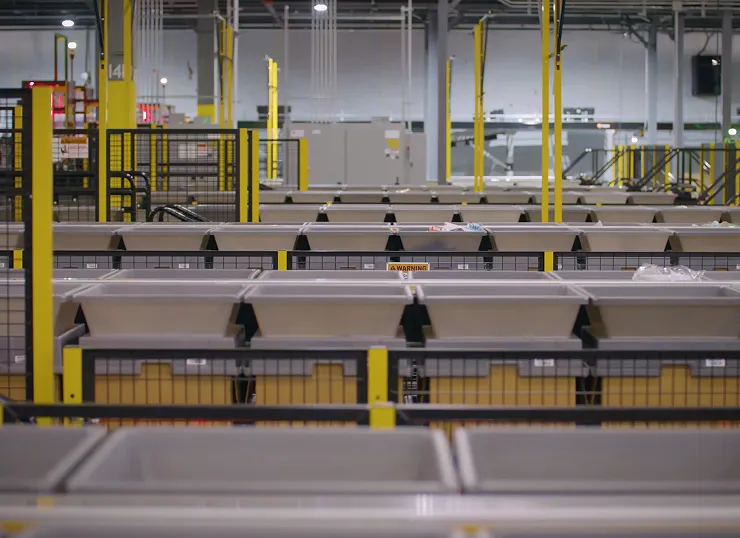
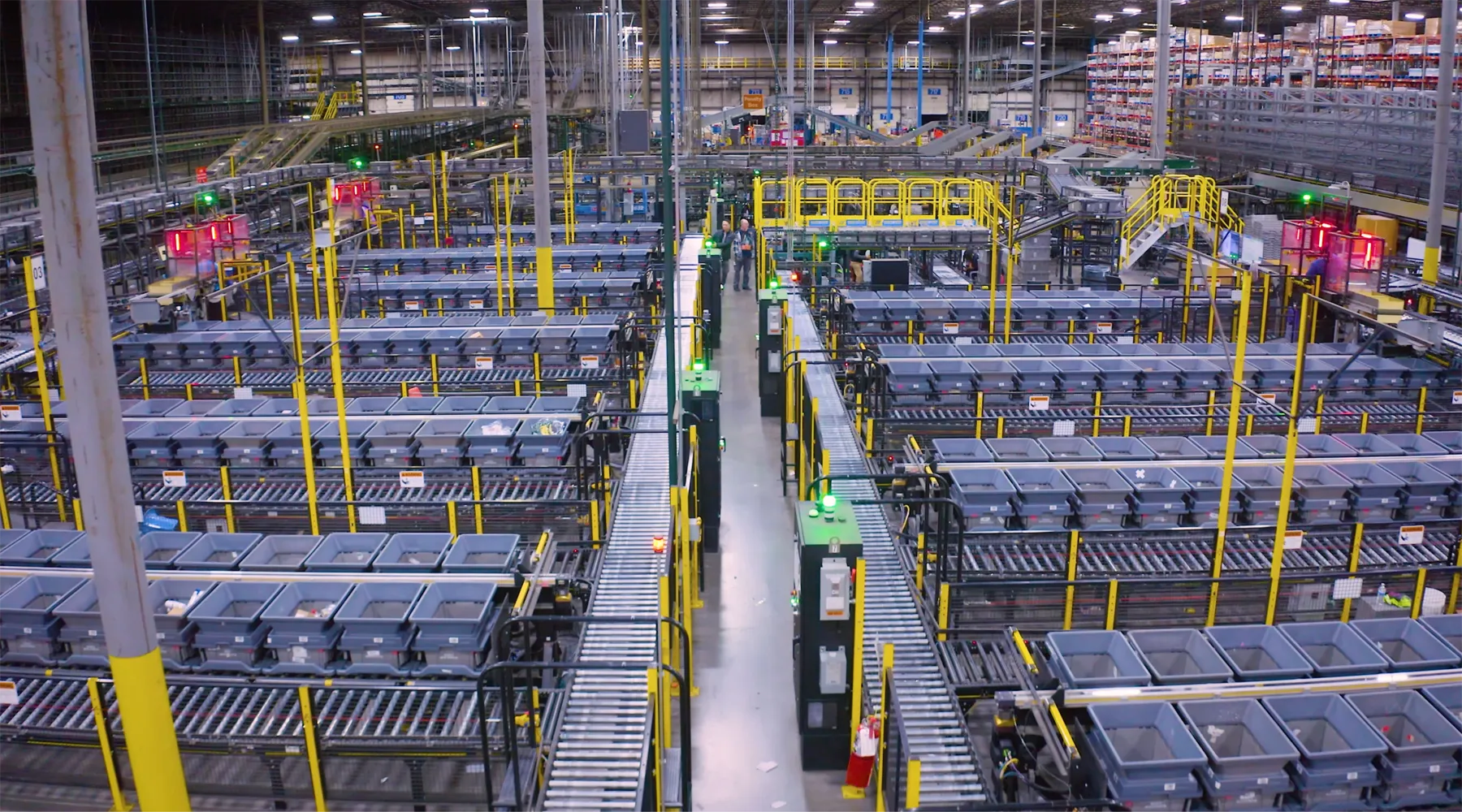
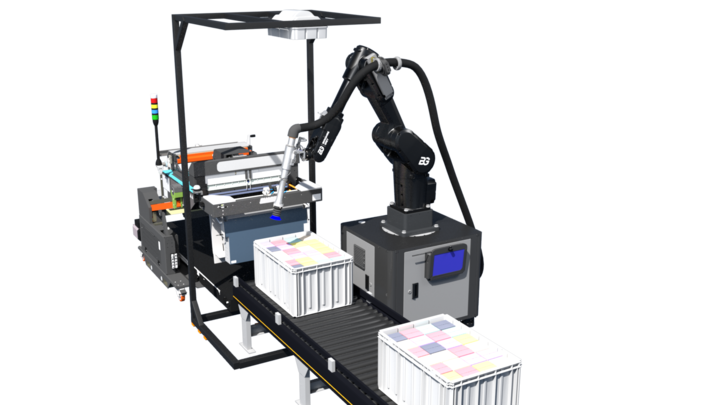
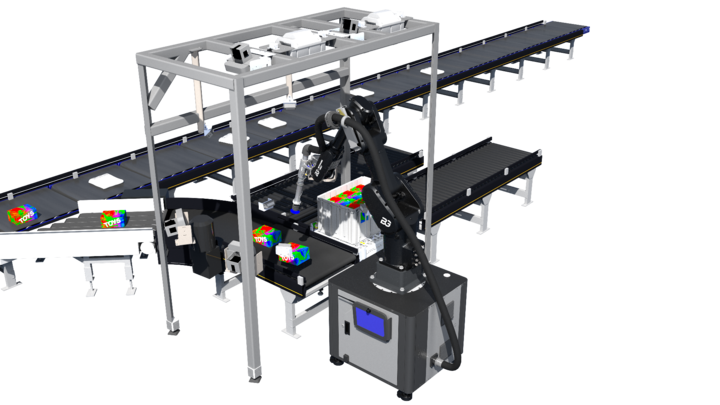
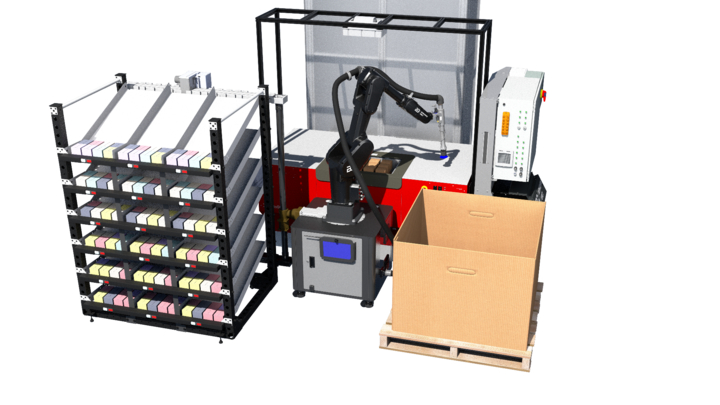
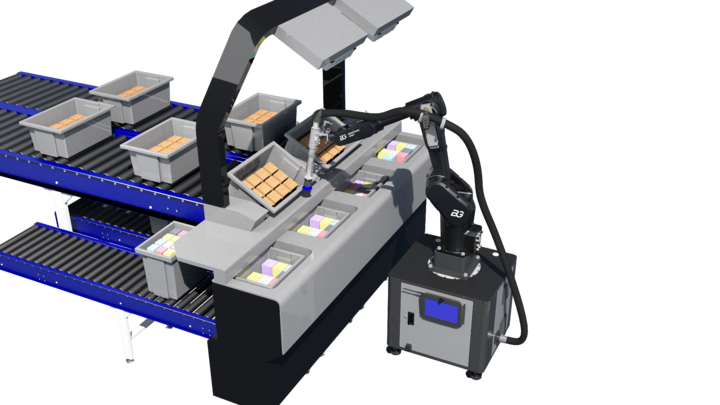
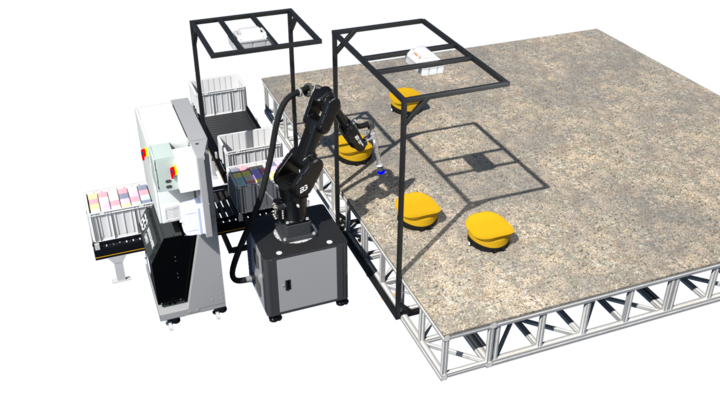
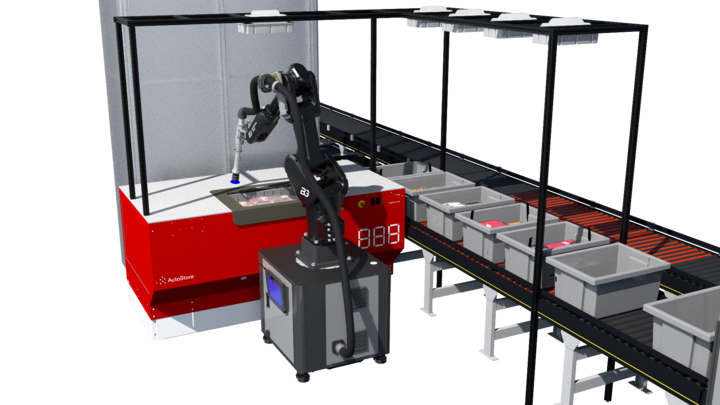
Berkshire Grey addresses these pressures across critical fulfillment workflows. Scoop™ Trailer Unloader automates trailer unloading across varied load conditions. Core™ Robotic Picking System delivers reliable picking and precise placement across broad, changing SKU mixes. Stride™ Shuttle Sorter automates more of your merchandise mix, increasing capacity with less labor and space.
Across these solutions, the goals are shared: increase usable capacity, reduce labor dependency, and sustain more predictable performance. BG’s Lifecycle Services support those outcomes through ongoing maintenance, technical support, and continuous improvement.
Prioritize opportunities that strengthen everyday performance as well as seasonal capacity. The queues and workarounds visible during peak can point to improvements that deliver value throughout the year.
Which recurring challenge will put the most pressure on your operation this peak?
Talk to Berkshire Grey about the workflow where queues build, manual work absorbs labor, or interruptions put service at risk. With your volume profile and merchandise mix, we can assess where robotic automation could increase capacity, improve productivity, and make performance more predictable.